




- Your cart is empty
- Continue Shopping
Table of Contents
Trip Planning Guide KSA: Smart Steps for Your Next Trip
Good trip planning can make the difference between a smooth, enjoyable vacation and a stressful one filled with last-minute problems. Forgetting a charger, missing an important document, or arriving without a clear plan can quickly turn an exciting trip into unnecessary hassle. A little preparation goes a long way. By organizing your itinerary, setting a realistic budget, creating a packing list, and checking the important details before departure, you can travel with more confidence and fewer surprises.
This guide covers the full trip planning process, from choosing your destination and building a travel itinerary to budgeting, packing, preparing for international travel, and planning trips that suit different situations — whether you’re traveling solo, with family, or heading away for a short weekend break.
How to Plan a Trip for Beginners
If you’ve never planned a trip on your own, start with the basics in this order:
Choose your destination: Pick somewhere that matches your budget, the time you have, and what you actually want out of the trip — relaxation, adventure, or a mix of both.
Decide your travel dates: Check for local holidays, weather patterns, and pricing — flights and hotels can shift dramatically depending on the season.
Set a travel budget: Decide roughly what you’re willing to spend before you start booking anything.
Research transportation and accommodation: Compare flights, trains, or driving routes, and shortlist a few places to stay based on location and reviews.
Create a basic itinerary: You don’t need every hour planned — just a rough shape for each day.
Prepare essential documents: Passport, ID, tickets, and any bookings should be sorted and easy to access before departure.
Getting these six steps right early on prevents most of the last-minute stress people associate with travel.
How to Create a Travel Itinerary
A good travel itinerary balances structure with room to breathe.
Choose the places you want to visit: and rank them by priority, since you likely won’t fit everything in.
Plan activities by day: group things that are close together geographically so you’re not backtracking across a city.
Allow time for transportation and rest: Travel time between locations always takes longer than it looks on a map.
Avoid overplanning: Leaving gaps in the day means you can adjust for weather, energy levels, or something interesting you stumble on.
Keep important information in one place: bookings, addresses, and confirmation numbers in a single note or document, so you’re not searching through emails while standing in a hotel lobby.
How to Create a Travel Budget
A realistic travel budget covers more than just flights and hotels. Break it into categories:
Transportation: flights, trains, car rental, or fuel, plus local transport like taxis or metro passes.
Accommodation: the cost per night multiplied by the length of stay, including any taxes or fees not shown upfront.
Food and drinks: a daily estimate based on whether you’ll mostly cook, eat at casual spots, or dine out regularly.
Activities and attractions: entrance fees, tours, and anything you specifically want to do.
Emergency expenses: a buffer for anything unplanned, from a missed connection to a medical need.
Set aside a small extra budget: on top of your total estimate — trips almost always cost a little more than the plan on paper.
What Should You Pack for a Trip?
Packing gets easier once you break it into categories instead of trying to remember everything at once:
Clothing: based on the destination’s weather and how many days you’ll actually need outfits for (laundry access changes this math).
Toiletries: travel-sized where possible to save space and stay within carry-on liquid limits.
Travel documents: passport, ID, boarding passes, and printed or downloaded copies of bookings.
Electronics and chargers: phone, camera, and the cables and adapters that go with them.
Medications and personal items: anything you take regularly, packed in your carry-on rather than checked luggage.
Travel accessories: the small items that make the trip more comfortable, covered in the next section.
Create a simple travel checklist: so you’re packing from a list rather than memory the night before you leave.
For keeping everything organized inside the suitcase itself, a set of packing cubes separates clean clothes from worn ones and makes unpacking at a hotel much faster than digging through one large bag.
What Are the Best Travel Essentials?
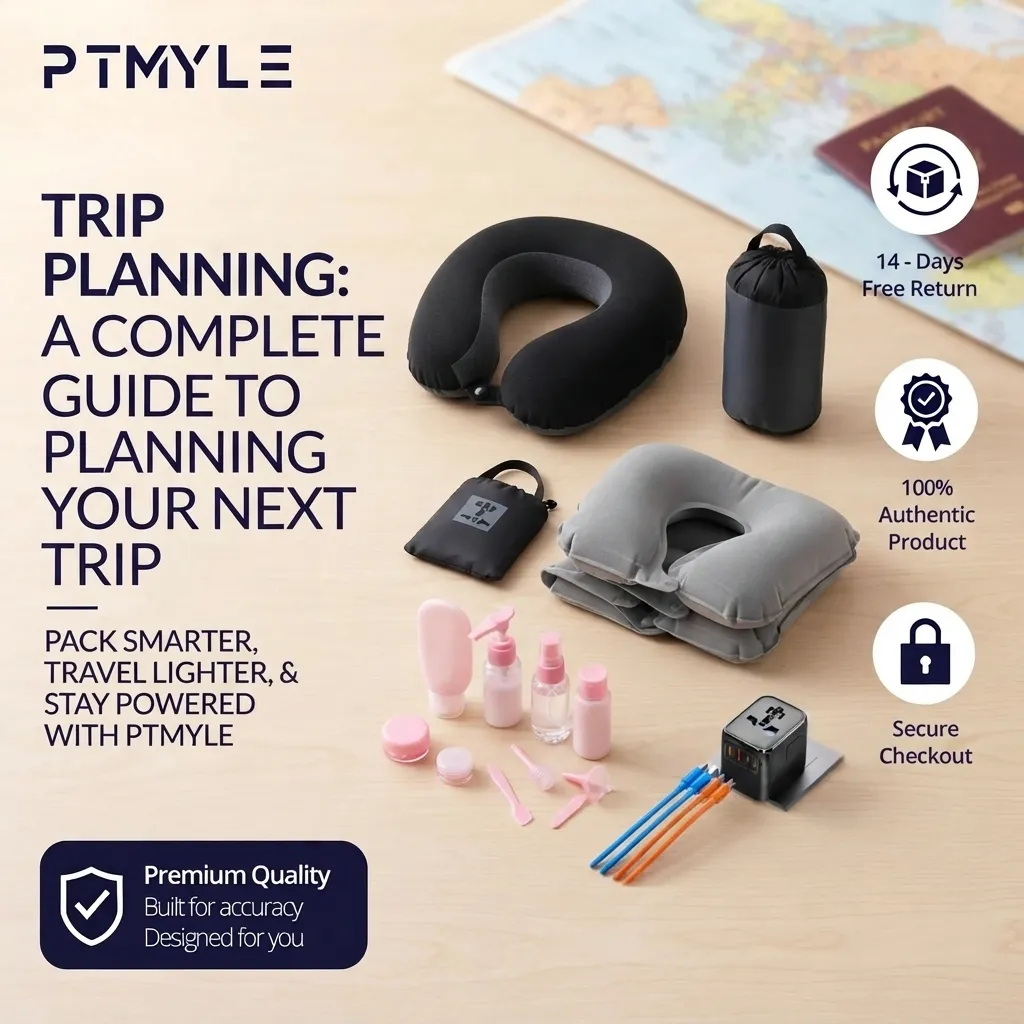
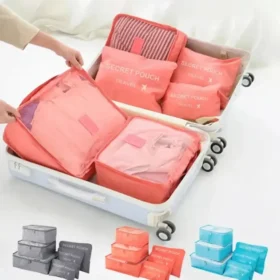
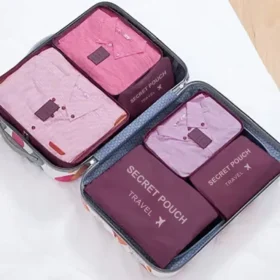
1. 6-Piece Travel Storage Bag (Packing Cubes)
Throwing everything into one suitcase means digging through wrinkled clothes just to find one shirt, and dirty laundry ends up mixed in with clean clothes by day three. This waterproof 6-piece set separates outfits by cube and keeps worn items sealed away from the rest, so unpacking at a hotel takes seconds instead of a full repack.








6 Piece Travel Storage Bag
0
54.83 SAR
Select options
This product has multiple variants. The options may be chosen on the product page
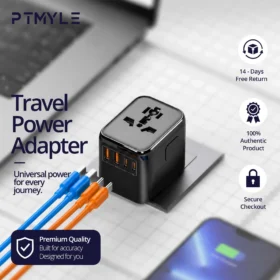
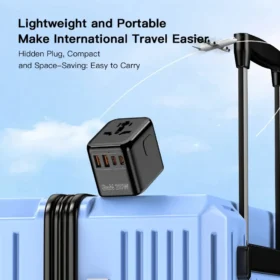
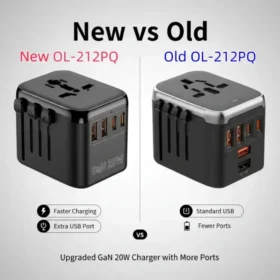
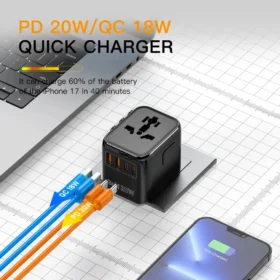
2. Universal Travel Adapter
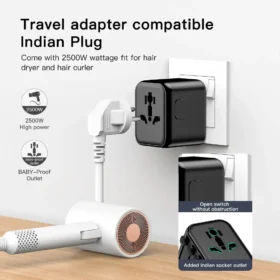
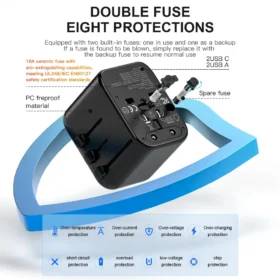
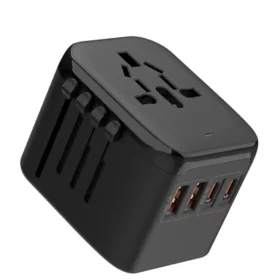
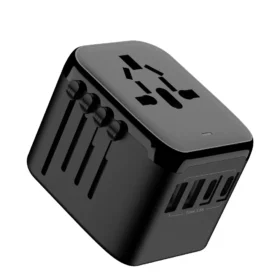
Arriving at a hotel abroad only to find your charger doesn’t fit the wall socket is one of the most common — and avoidable — travel frustrations. This adapter covers EU, UK, US, and AU plug types and charges up to 5 devices at once through its USB-C and USB-A ports, so one adapter handles the whole trip regardless of destination.


Universal Travel Adapter
0
112.58 SAR
Select options
This product has multiple variants. The options may be chosen on the product page
3. Inflatable Travel Pillow
A cramped economy seat makes real sleep on a long flight nearly impossible, and arriving exhausted eats into the first day of any trip. This foldable neck pillow inflates in seconds for support during the flight and deflates flat enough to disappear into a daypack the rest of the time.



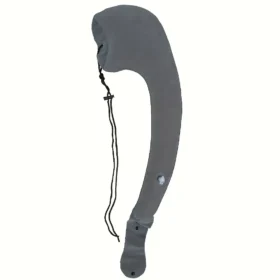
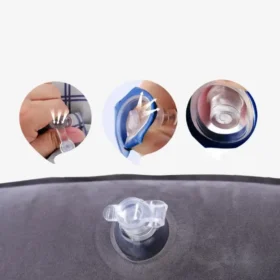


Inflatable Travel Pillow
0
58.00 SAR
Select options
This product has multiple variants. The options may be chosen on the product page
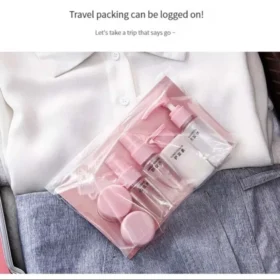
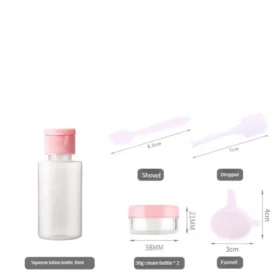
4. 9PCS Travel Dispenser Bottle Set
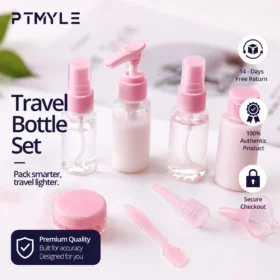
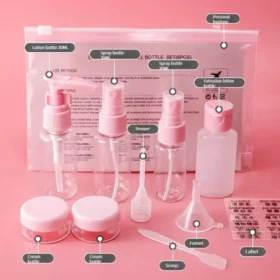
Full-size toiletry bottles take up bag space and risk leaking onto clothes, while single-use travel sizes run out mid-trip and add up in cost. This leakproof 9-piece set lets you refill from your own products before every trip, with a funnel and pipette included for easy transfers.





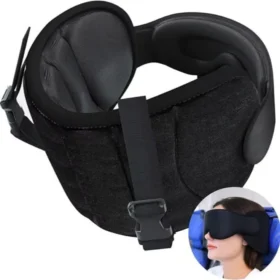
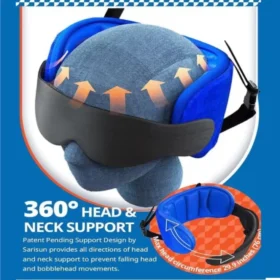
5. 3D Sleep Eye Mask
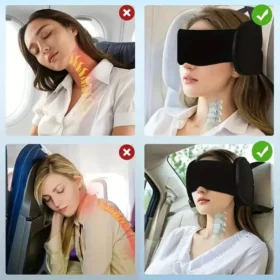
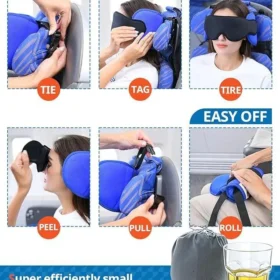
Cabin lights, sunrise through a window seat, or a bright hotel room can all cut sleep short while traveling. This memory foam eye mask blocks light completely without pressing on the eyes the way flat masks do, making it easier to actually rest on a flight or adjust to a new time zone.



3D Sleep Eye Mask
0
107.92 SAR
Select options
This product has multiple variants. The options may be chosen on the product page
How to Prepare for International Travel
International trips need a few extra steps beyond domestic ones:
Check passport validity: Many countries require at least six months of validity remaining from your entry date.
Visa requirements: Confirm well in advance whether your destination requires a visa, and how long processing takes.
Travel insurance: Covers medical emergencies, cancellations, and lost luggage — worth the cost for the protection it provides.
Currency and payment methods: Check whether cards are widely accepted or if you’ll need cash, and notify your bank of travel dates to avoid blocked transactions.
Local laws and customs: A quick check on anything unusual — dress codes, restricted items, or local etiquette — avoids accidental issues.
Phone/internet access: Look into international roaming plans, local SIM cards, or eSIMs before you land.
Important emergency contacts: Save the local embassy number and any emergency services numbers before you need them.
What Should You Know Before Traveling?
A few practical checks before any trip, international or not:
Weather and local conditions — pack and plan around what’s actually happening at your destination, not the season back home.
Transportation — know roughly how you’ll get from the airport to your accommodation before you land.
Local culture — understanding basic customs helps you avoid unintentionally awkward situations.
Safety considerations — check current travel advisories for your destination.
Opening hours and
reservations — some attractions and restaurants require advance booking, especially during peak season.
Important travel documents — confirm everything is valid and accessible, not buried at the bottom of a suitcase.
How Many Days Should You Plan for a Trip?
Trip length depends on the destination and what you want from it:
Short trips (2–3 days) — best for nearby destinations where travel time doesn’t eat into the trip itself.
Weekend trips — good for a quick reset without needing much time off work.
One-week trips — enough time to properly explore a city or region without rushing.
Longer vacations (10+ days) — better suited to multi-destination trips or slower-paced travel.
Whatever the length, balance activities with rest days. A packed schedule for the entire trip tends to leave people more tired than relaxed by the time they get home.
How to Plan a Family Trip
Family trips need a slightly different approach than solo or couple travel:
Choose family-friendly destinations – with activities suited to different ages.
Consider children’s needs — nap schedules, meal times, and attention spans should shape the daily plan.
Plan transportation and accommodation – with enough space and minimal complicated transfers.
Pack essentials for children — snacks, entertainment, and anything they can’t easily go without.
Leave flexibility in the itinerary – Kids don’t always cooperate with a tight schedule, so build in buffer time.
How to Plan a Solo Trip
Traveling alone comes with its own checklist:
Research the destination – thoroughly, since you won’t have a travel companion to lean on for decisions along the way.
Share your itinerary with someone: back home, including accommodation details and expected check-in times.
Choose safe accommodation: in well-reviewed central areas.
Plan transportation in advance, especially for late arrivals or departures.
Keep important documents secure — a mix of digital copies and a physical backup works well.
Stay flexible but prepared: Solo travel often means more spontaneity, but the basics — safety, documents, money — should still be locked down.
Travel Safety Tips
A few habits reduce risk on any trip:
Keep valuables secure — use hotel safes where available and avoid displaying expensive items unnecessarily.
Carry copies of important documents: both digital and printed, separate from the originals.
Avoid unfamiliar or unsafe areas: especially at night, unless you’ve confirmed they’re safe with a local source.
Stay aware of your surroundings: particularly in crowded tourist areas where pickpocketing is more common.
Know local emergency numbers: before you need them, not after.
Common Trip Planning Mistakes
Overplanning every day — leaving no room for rest or spontaneity.
Forgetting the budget — booking without a clear sense of total cost until the trip is already underway.
Packing too much — bringing “just in case” items that add weight without ever being used.
Ignoring travel documents — checking passport validity or visa requirements too late to fix issues.
Not checking weather — packing for the wrong season or conditions.
Leaving no emergency budget — having no buffer when something unexpected comes up.
Booking everything too late — missing better prices or availability by waiting too long.
Conclusion
Good trip planning isn’t about locking every moment into a rigid schedule — it’s about having enough preparation in place that you can relax and adjust once you’re actually there. Focus on the fundamentals: destination, budget, itinerary, essentials, and safety. Use the checklist above before your next trip, and most of the stress that usually comes with travel planning takes care of itself.
FAQs
Q: How do I plan a trip for beginners?
Ans: Start with the destination, dates, and budget, then move on to transportation, accommodation, a rough itinerary, and your documents — in that order.
Q: What should I do before going on vacation?
Ans: Confirm your documents are valid, finalize your itinerary and bookings, pack using a checklist, and double-check the weather at your destination.
Q: How can I travel on a budget?
Ans: Set a category-based budget covering transportation, accommodation, food, and activities, and build in a small buffer for unplanned costs rather than assuming everything will go exactly to plan.
Q: What should I pack for a trip?
Ans: Clothing suited to the weather, toiletries, travel documents, electronics and chargers, any medications, and a few travel accessories that make the trip more comfortable.
Q: How far in advance should I plan a trip?
Ans: For international trips, start at least a few months ahead to account for visas and better pricing. Domestic or short trips can be planned in a few weeks.