




- Your cart is empty
- Continue Shopping
Pet Care Guide: Keep Your Pets Healthy, Happy & Safe
- Posted on
- PTMYLE · 10 min read
- Categories: Pets
Table of Contents
Pet Care Guide: 10 Simple Ways to Keep Your Pets Healthy & Happy
Good pet care is not about doing one big thing occasionally. It is the combination of small daily habits that help keep a pet comfortable, active, clean, safe, and properly cared for. Food and water matter, but responsible pet care also includes grooming, exercise, hygiene, training, mental stimulation, a safe living environment, and regular veterinary attention.
Cats and dogs have different needs, but the basic principle is the same: understand your pet’s normal behavior, build a consistent routine, and pay attention when something changes. This guide covers the foundations of pet care for cats and dogs, including grooming, nutrition, hygiene, health, training, and pet safety, with additional considerations for pet owners in Saudi Arabia.
How to Care for Pets for Beginners
If you are caring for a pet for the first time, start by creating a simple daily routine.
A pet generally needs:
- appropriate food
- access to fresh, clean water
- regular activity
- a clean living area
- sufficient rest
- attention and interaction
- grooming appropriate to its breed and coat
- routine health monitoring
- veterinary care when required
The routine does not need to be complicated.
For example, check food and water every day, keep bowls and living spaces clean, provide opportunities for movement and play, and spend a few minutes observing your pet. Changes in appetite, energy, movement, toilet habits, breathing, behavior, or appearance can sometimes indicate that something is wrong. If a change is persistent, severe, or unusual for your pet, contact a veterinarian rather than trying to diagnose the problem yourself.
Why Is It Important to Care for Pets?
Good animal care has more than just an aesthetic effect. It will keep its environment clean, allow normal activity and behavior, and provide a greater opportunity for the owner to catch changes early.
Care can also simplify daily living.
You can help create a healthier home by brushing pets, cleaning their dishes, changing litter or bedding, giving them proper exercise and a regular schedule. Remember, routine veterinary care also plays a role in providing preventive health care, such as vaccinations and parasite control as appropriate.
Pet Care for Dogs:
Dogs typically require plenty of exercise, obedience training, socialization, grooming, proper nutrition, and routine veterinary care.
Feeding and Hydration:
Select food that is suitable for your dog’s age, size, activity and health requirements. Offer fresh water daily and clean water and food bowls frequently. The amount of food is also a factor. Over-feeding can lead to unhealthy weight gain, and under-feeding can not provide a dog with its nutritional needs. When in doubt, consult your veterinarian for advice.
Daily Exercise:
Every dog has its own unique exercise requirements.
A young dog is more active than an older one or a small dog. Walking, supervised play, training games and controlled indoor activity can all be part of the daily movement. In Saudi Arabia, when temperatures are extremely high, don’t engage in strenuous outdoor activities during the hottest part of the day. Saudi authorities recommend that animals be kept out of direct sunlight during the hot seasons and that they have constant access to water and food.
Dog Grooming:
Grooming requirements depend on coat type, breed, lifestyle, and individual needs. Regular brushing can help remove loose hair and dirt while also giving you an opportunity to check the skin and coat.
Dogs may also need:
bathing when necessary
nail trimming
ear checks
dental care
paw inspection
Avoid over-bathing unless recommended, as frequent washing with unsuitable products can irritate some dogs’ skin.
Training and Socialization:
Basic training makes everyday life safer and easier.
Useful commands can include:
sit
stay
come
leave it
wait
Positive reinforcement, patience, and consistency usually work better than punishment-based training.
Dog Safety:
Ensure that harmful foods, medicines, cleaners, electrical cables, sharp objects and other hazards are kept out of reach. If driving, use a dog harness or pet seat with a dog or cat or a pet basket, but never a dog running about in the car.
Pet Care for Cats:
Cats may have a private life, but they still need regular maintenance, attention, stimulation, cleanliness and veterinary care.
Food and Water:
Provide age-appropriate, nutritious food. Always have fresh water available.
Others cats do not naturally drink a great amount of water, so it is important for owners to ensure that they are not drinking more or less than normal, and to consult a veterinarian if they notice that their animals are drinking more or less than usual.
Litter Box Hygiene:
Cleanliness of litter box is an important aspect of pet hygiene. Clean up waste regularly and replace litter as necessary. Cleaning cat litter boxes on a daily basis is recommended by CDC to minimize exposure to parasites and germs. Try and keep the litter box in a quiet area that is easy to get to and watch for any alterations in your cat’s toileting habits.
Cat Grooming:
While cats will groom themselves, occasional brushing will help remove loose fur, and will help prevent matting, especially in long-haired cats.
Regular grooming also provides you with an opportunity to check for:
unusual lumps
skin irritation
wounds
parasites
Coat changes are indicated by changes in the condition of the coat.
Play and Mental Stimulation:
Cats learn to benefit from the chance to climb, scratch, chase, explore and play. An interactive toy and interactive scratching, tunnels, and a short play session can be used to keep an indoor cat mentally and physically stimulated.
Safe Indoor Environment:
Secure unsafe plants, chemicals, unplug cords, small swallowable items, and open windows/balcons properly. Don’t forget that cats can climb up to heights too high for the owner to access, so watch for potential dangers there, too.
Cleaning and bathing pets.Pet grooming and hygiene.
Pet grooming goes beyond being a cosmetic process. It will help to keep your pet clean and provide you with a frequent chance to check the condition of your pet’s skin, coat, paws, ears and overall health.
How often do dogs need to be groomed?
A single grooming plan doesn’t exist for all animals.
Frequency depends on:
species
breed
coat length
shedding
activity level
skin condition
age
For instance, a long-haired cat may require more brushing than a short-haired cat. If a dog spends a lot of time outside, then the grooming requirements may be different than a dog that spends most of his or her time indoors.
Brushing:
Brushing will help to eliminate loose hair, dirt, and some tangles. Brush the pet’s coat with a brush that is appropriate for their coat; do not brush too much.
Bathing:
Generally, dogs should not be bathed too often. Cats are not usually given regular baths unless they are exceptionally dirty or are advised to have one by a veterinarian. Always use products for the correct animal.
Nail Trimming:
Long nails can cause discomfort to walking. When in doubt on where to cut, have a vet or professional groomer show you.
Dental Care:
It’s easy to neglect dental hygiene. Use dental products recommended by your veterinarian and consult your veterinarian for the best dental routine for your pet.
Ear and Eye Care:
Periodically examine ears and eyes for unusual discharge, redness, swelling, strong odor and/or irritation. Do not put anything too far into the ear.
Clean Pet Supplies:
Regularly clean food bowls, water bowls, bedding, toys, litter equipment, carriers and other items that are used often by the pet. CDC guidelines state that pet supplies need to be routinely cleaned due to the fact that they can be contaminated with germs even when the pet is healthy.
Pet Nutrition:
The first step to good pet nutrition is to feed your specific pet the nutrients he or she requires. Don’t give cats the same food as dogs simply because they are both animals.Food should not be universally given to all cats, just because they are feline.
Consider:
life stage
body size
activity level
health conditions
calorie needs
veterinarian
Portion Control:
It is not always true that the more food you provide, the more care you are providing. Always follow feeding instructions for the product and change feeding amounts based on your pet and their veterinarian’s advice.
Fresh Water:
There should be a constant supply of clean drinking water available throughout the day. This is especially crucial in hot weather in Saudi Arabia. Don’t eat foods that are not good for you.
Not all human food is suitable for animals.
Some foods are potentially dangerous or toxic to pets, so be careful not to share foods you haven’t been told are safe for the species. The CDC also suggests selecting a pet food that has the proper nutrition and suggests discussing a diet with a veterinarian.
The health and well-being of pets.
Pet health care is a combination of the daily things you do and what you have your veterinarian do.
Regular veterinary checkups can consist of:
physical examinations
vaccinations
parasite prevention
weight monitoring
dental assessment
age-specific health advice
Requirements for prevention may vary by age, lifestyle, environment and medical history of the animal.
Watch for Changes:
Call your veterinarian if you notice any of the following changes:
An inability to stop eating
Repeated vomiting or diarrhoea
breathing difficulty
unusual weakness
severe lethargy
Unexplained weight changes
difficulty walking
Significant behavioral changes
injuries
Enduring skin or coat issues
It is written for general pet-care information, and should be used in lieu of veterinary diagnosis or treatment.
Pet Training and Behavior:
Effective training is communication and consistency. Obedience and calm socialization of dogs can enhance their everyday safety. Training can be more about routines, appropriate scratching spots, comfort of the carrier, litter habits and reinforcing positive behaviours for cats.
Use Positive Reinforcement:
Use positive reinforcement with your pet for positive behaviors, including:
praise
play
appropriate treats
toys
Don’t have high expectations for quick results.
It is best to have the same set of rules and commands used by the same household members throughout the training.
Pet Safety Tips:
Pet safety is all about prevention. Separate all Dangerous Items. Separate Dangerous Items.
Securely store the following:
medicines
cleaning products
pesticides
sharp tools
electrical cables
toxic foods
little bits that may be ingested
Stay away from the plants!
Plants that are suitable for the house and garden may not be safe for pets.
Before putting a plant in your pet’s reach, see if it is safe for your pet. Keep pets cool in very hot weather.Keep pets from extreme heat. Saudi Arabia should be especially mindful of hot conditions.
Shade, ventilation and free access to fresh water.
Do not leave pets in direct sun light on sweltering days – never leave an animal in a car!
The Ministry of Environment, Water and Agriculture (MoEWA) advises owners to keep the animals out of direct sunlight during the hottest parts of the day and to regularly check their condition.
Safe Transportation:
Secure carrier or appropriate restraint for transporting a pet. A carrier should be sufficiently large to allow the animal to be carried without undue congestion; it should also be large enough for the animal to be carried safely during the journey.
Identification:
Identification can be made easier by having a collar tag or microchip on your pet if necessary, depending on local requirements, to ensure that a lost pet can be returned to its owner.
What types of services does a pet require to remain healthy?
Some basic pet care checklist would be:
nutritious, species-
appropriate food
fresh water
appropriate exercise
regular grooming
clean living conditions
veterinary care
vaccinations and
preventive care (where indicated)
mental stimulation
a safe environment
frequent contact and
care
Each animal will have its own set of instructions, but this is a good jumping-off point.

Top 5 Pet Care Products Every KSA Pet Owner Needs
1. Automatic Cat Feeder
Skipping a feeding or scrambling to get home on time happens to every pet owner eventually, and an inconsistent feeding schedule makes it harder to manage your cat’s diet properly. This gravity-fed dual-bowl feeder keeps food available on a consistent schedule even when you’re running late or away for the day, so mealtime stays predictable.







Automatic Cat Feeder
0
163.78 SAR
Select options
This product has multiple variants. The options may be chosen on the product page
2. Self-Cleaning Cat Litter Scoop
Scooping a litter box by hand means direct contact with waste and litter dust every single day, and putting it off even one day makes the smell and mess worse. This scoop has a built-in perforated filter and waste container, so clumps separate from clean litter in one motion and go straight into a sealed compartment instead of your hand.







3. Pet Bathing Brush
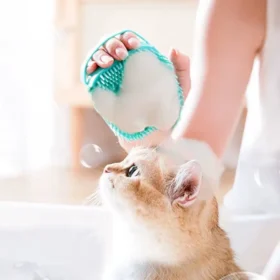
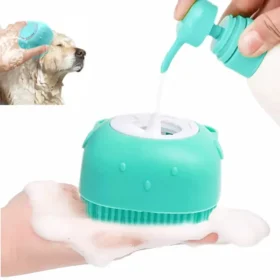
A standard bath often turns into a struggle, with shampoo running everywhere and fur clogging the drain afterward. This silicone brush has a built-in shampoo dispenser, so you massage and lather in one motion, and the soft bristles are gentle enough for cats and dogs that normally resist bath time.






Pet Bathing Brush for Cat & Dog
0
40.09 SAR
Select options
This product has multiple variants. The options may be chosen on the product page
4. Pet Hair Removal Glove
Brushing with a stiff comb can feel unpleasant to a nervous or older pet, which often means grooming gets skipped altogether. This double-sided glove feels like petting rather than brushing, so shedding pets get the loose fur removed regularly without the fuss a traditional brush causes.







5. Dog Car Seat Belt
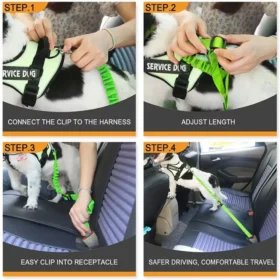
Letting a dog move freely around the car is dangerous for both the pet and the driver, especially during sudden stops. This reflective, adjustable bungee harness clips into the existing seat belt buckle, keeping your dog secured in place on every car trip without needing a separate carrier.







Dog Car Seat Belt for Dog Travel
0
50.46 SAR
Select options
This product has multiple variants. The options may be chosen on the product page
Common Pet Care Mistakes to Avoid
Even well-meaning owners can develop habits that are not ideal for their pets.
Overfeeding:
Giving frequent treats or oversized portions can make calorie intake difficult to control.
Ignoring Grooming:
Tangled fur, overgrown nails, dirty bedding, and neglected dental care can become bigger issues when left unattended.
Too Little Activity:
Dogs generally need regular opportunities for movement, while cats need play and mental stimulation.
Poor Hygiene:
Dirty feeding bowls, bedding, toys, or litter areas can allow germs and odors to build up.
Skipping Preventive Veterinary Care:
Do not wait until your pet appears seriously ill before seeking professional care.
Preventive veterinary visits can help monitor general health and identify potential concerns.
Giving Unsafe Human Foods:
Human food should not automatically be treated as pet food.
If you are unsure whether something is safe, check with a veterinarian before offering it.
Conclusion
Responsible pet care is mostly about consistency.
A pet does not only need food. It needs appropriate nutrition, clean water, movement, grooming, hygiene, safety, stimulation, attention, and suitable veterinary care throughout its life.
Learning your pet’s normal habits makes it easier to recognize when something changes, while a simple daily routine can make caring for cats and dogs much more manageable.
For feeding accessories, grooming tools, travel products, hygiene items, and other everyday essentials, explore PTMYLE pet products in KSA.
FAQs
Q: How to care for pets for beginners?
Ans: Start with the basics: appropriate food, fresh water, regular activity, clean living conditions, grooming, mental stimulation, and routine veterinary care. Build a consistent daily routine rather than trying to manage everything occasionally.
Q: How do you take care of a pet properly?
Ans: Learn the needs of your particular species and breed, provide suitable nutrition and exercise, maintain hygiene, keep the environment safe, monitor behavior and health, and seek veterinary care when needed.
Q: How do you care for a dog?
Ans: Provide appropriate food and water, regular exercise, grooming, training, social interaction, a safe environment, and preventive veterinary care.
Q: How do you care for a cat?
Ans: Provide species-appropriate nutrition, clean water, a clean litter box, grooming when needed, opportunities for play and scratching, a secure living environment, and routine veterinary care.
Q: How often should you groom a pet?
Ans: It depends on the species, breed, coat, lifestyle, and health condition. Some pets need frequent brushing, while others require relatively little coat maintenance. Ask a veterinarian or groomer if you are unsure.