PTMYLE acts as an independent dropshipping intermediary, connecting customers to suppliers.

Top Fitness Guide: How to Build a Gym Workout Plan That Actually Works

Top fitness gym workout plan for beginners with effective workout exercises

Table of Contents

Top fitness often starts with one question: where do I begin?

Between complicated workout splits, conflicting advice, and routines made for people who already train five or six days a week, beginners can easily feel overwhelmed.

A good fitness plan does not need to be complicated. It needs to match your schedule, your current fitness level, and your goal.

This guide explains how to build a practical gym workout plan, how to start a fitness routine as a beginner, which exercises work well at home, and how to structure your training if weight loss is one of your goals. Whether you exercise at home in Riyadh, visit a gym in Jeddah, or simply want to become more active in Saudi Arabia, the same basic principles apply.

How to Build a Gym Workout Plan

The best gym workout plan is not the most intense one. It is the one you can realistically follow week after week.

Before choosing exercises, answer three questions.

1. How many days can you realistically train?

For many beginners, 2–3 training days per week is a practical starting point.

Training more often can work too, but only if your schedule, recovery, sleep, and fitness level support it.

2. What is your main goal?

Your workout structure will depend partly on whether you want to:

  • improve general fitness
  • build strength
  • gain muscle
  • increase mobility
  • support weight management goals
  • become more active

You do not need a completely different exercise routine for every goal, but your training volume, intensity, and nutrition may change.

3. What equipment do you have?

A full gym gives you access to machines, free weights, cables, and cardio equipment.

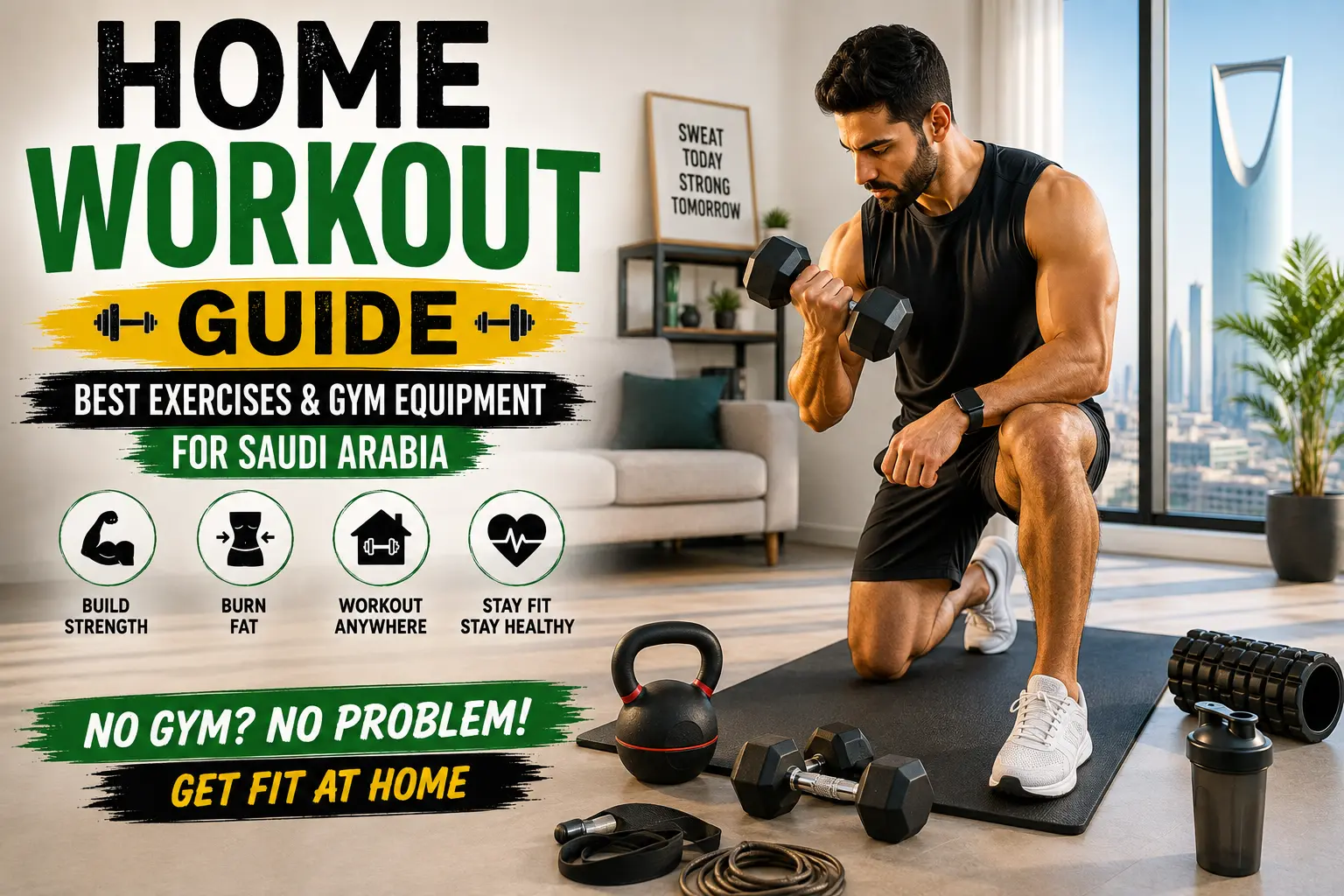
At home, you can still build a useful workout routine with basic equipment such as:

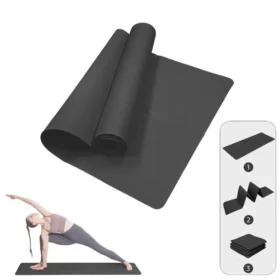
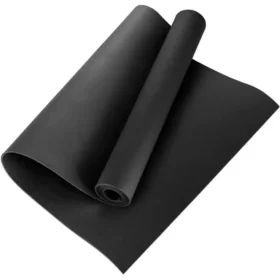
  • a yoga mat
  • resistance bands
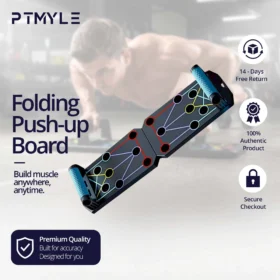
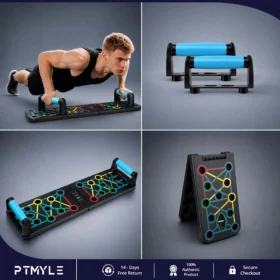
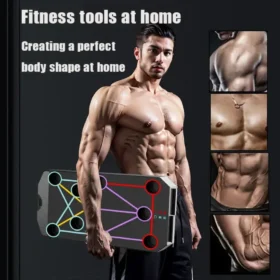
  • a push-up board
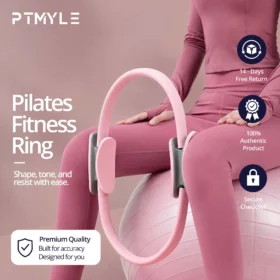
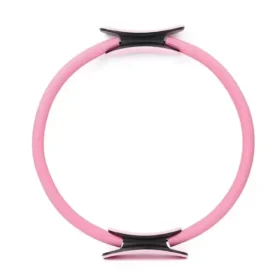
  • a Pilates ring
  • body-weight exercises

A simple beginner weekly schedule could look like this:

Day 1: Full-body strength
Day 2: Rest or light walking
Day 3: Full-body strength
Day 4: Rest
Day 5: Full-body training + mobility
Weekend: Rest, walking, stretching, or another light activity

Rest days give your muscles and joints time to recover between sessions.

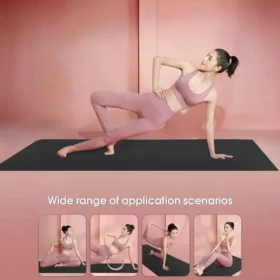
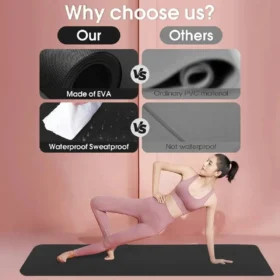
For floor exercises such as planks, stretching, Pilates, or mobility work, a yoga mat can make training more comfortable on hard indoor flooring.

How to Start a Fitness Routine as a Beginner

One of the easiest mistakes to make is trying to do too much in the first week.

Instead of starting with daily workouts, begin with something you can maintain.

A practical starting point is:

  • Exercise 2–3 days per week
  • Keep early sessions around 20–40 minutes
  • Learn proper exercise technique before increasing intensity
  • Increase repetitions or resistance gradually
  • Allow enough recovery between sessions

You can also reduce the effort required to start exercising by keeping simple equipment at home.

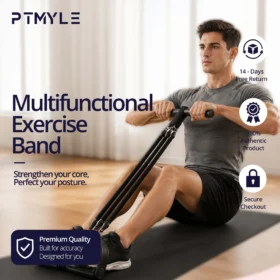
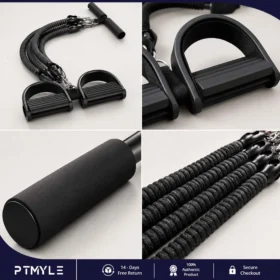
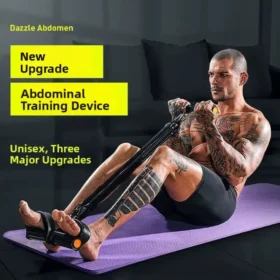
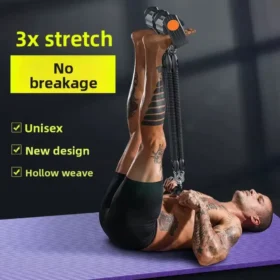
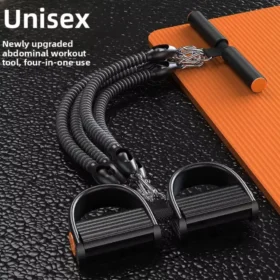
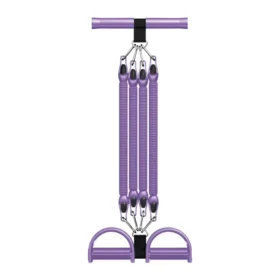
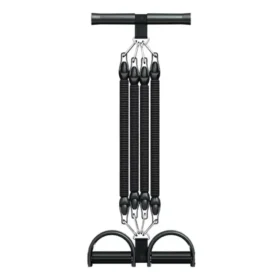
For example, a foot pedal resistance band can be used for several resistance exercises without needing a large workout area or gym equipment.

The main goal during the first few weeks is not to create the hardest possible workout. It is to create a routine you can continue.

If you have ongoing joint pain, an injury, or another medical concern, it is better to speak with a qualified healthcare or fitness professional before starting a new exercise program.

Best Workout Exercises You Can Do at Home

You do not necessarily need a gym membership to improve your strength and general fitness.

Several basic movements can be performed at home with little or no equipment.

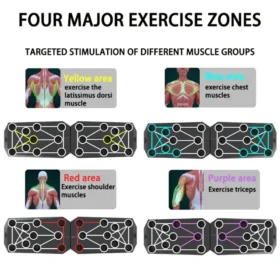
Push-ups: Push-ups train the chest, shoulders, triceps, and core. Beginners can start with wall push-ups, incline push-ups, or knee push-ups before progressing to standard push-ups. A push-up board can provide different hand-position options for home training.
Squats: Body-weight squats mainly train the legs and hips. Start with a comfortable range of motion and focus on controlled movement before adding resistance.

Lunges: Lunges help train the lower body while also challenging balance and coordination. Beginners can use a wall or chair for additional support if needed.

Planks: Planks are a simple core exercise that requires very little space. Instead of trying to hold the position for as long as possible, focus first on maintaining good body position.

Resistance Band Exercises: Resistance bands can be used for rows, presses, leg exercises, and mobility work. They are particularly useful for home workouts because they take up little storage space.

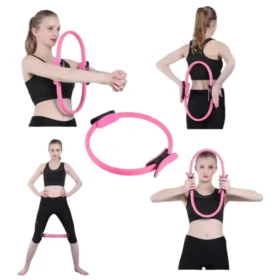
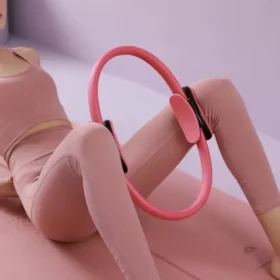
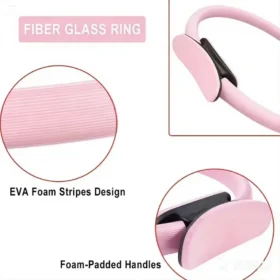
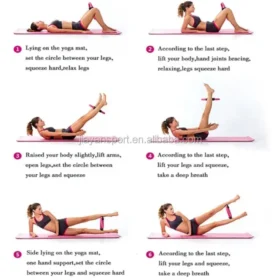
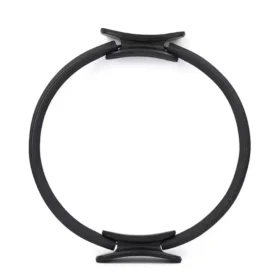
Pilates Ring Exercises: A Pilates ring adds light resistance to exercises involving the legs, arms, chest, and core.

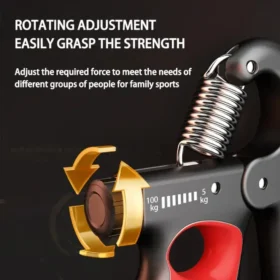
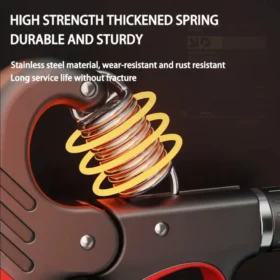
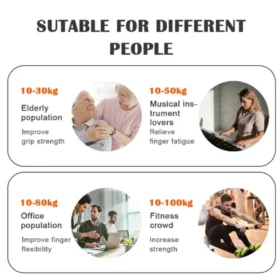
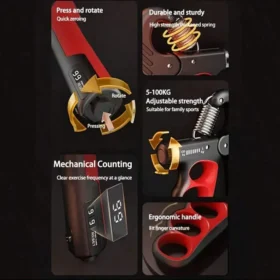
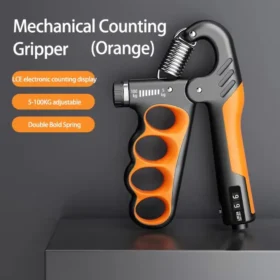
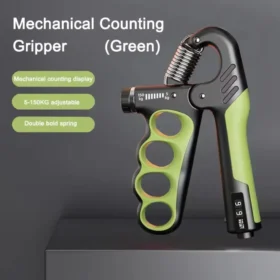
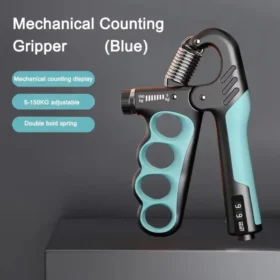
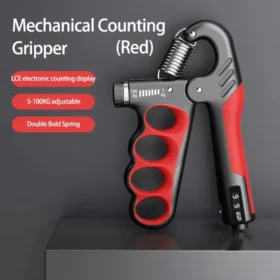
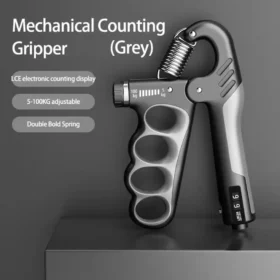
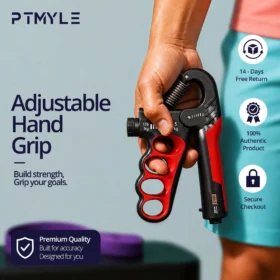
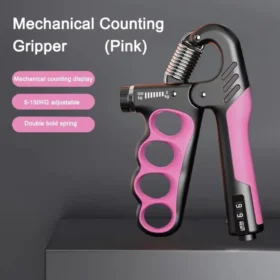
Grip Training: A hand grip strengthener can be used for grip and forearm exercises and is compact enough to use at home or keep in a gym bag.

Home workouts can be especially convenient when your schedule makes regular gym visits difficult or when outdoor exercise is less comfortable during hotter periods in Saudi Arabia.

Gym Workout Plan for Weight Loss

Exercise can support weight management, but weight loss is influenced by several factors, including total calorie intake, activity levels, sleep, and individual health.

There is no single workout that guarantees weight loss.

A balanced training routine may include:

Strength Training: Strength exercises help maintain and build muscle while improving physical function. For many beginners, 2–3 strength-training sessions per week can be a manageable starting point.

Moderate Cardio:

Activities such as:

  • brisk walking
  • cycling
  • swimming
  • treadmill walking
  • light aerobic exercise

can help increase your overall activity level.

Full-Body Circuits: Combining several exercises in one session can provide both resistance training and cardiovascular activity.

For example:

  • Squats
  • Push-ups
  • Resistance band rows
  • Lunges
  • Planks

Complete the exercises at a comfortable pace and rest as needed.

The most useful workout for weight management is usually one you can perform consistently alongside appropriate nutrition and daily activity.

Sample Gym Workout Plan for Beginners

Here is a simple three-day beginner routine.

Day 1 — Full Body:

  • Bodyweight squats — 3 sets of 8–12 reps
  • Push-ups or modified push-ups — 3 sets of 6–10 reps
  • Resistance band rows — 3 sets of 10–12 reps
  • Plank — 3 sets of 20–30 seconds

Day 2 — Rest or Light Activity

Take a rest day or do light walking and mobility work.

Day 3 — Lower Body + Core

  • Lunges — 2–3 sets of 8–10 reps per leg
  • Glute bridges — 3 sets of 10–15 reps
  • Resistance band exercises — 3 sets
  • Pilates ring exercises — 2–3 sets
  • Light stretching

Day 4 — Rest

Allow your body time to recover.

Day 5 — Upper Body + Mobility:

  • Push-ups — 3 sets
  • Resistance band rows — 3 sets
  • Shoulder mobility exercises
  • Grip exercises
  • 5–10 minutes of stretching

Small accessories can also make workouts easier to manage. Gym gloves may improve grip comfort during certain exercises, while a gym towel is useful for keeping sweat under control during training.
Pros and Cons of a Beginner Gym Workout Plan

Pros:

  • Easy to adapt to different schedules
  • Can be performed at home or in a gym
  • Builds exercise consistency gradually
  • Requires little equipment to get started
  • Can combine strength, mobility, and cardio

Cons:

  • Progress can be slower if workouts are inconsistent
  • Exercise technique may take time to learn
  • Some exercises may need modification for individual limitations
  • Results also depend on recovery, nutrition, sleep, and overall activity

A realistic plan should acknowledge both sides. More training is not automatically better, especially when recovery and consistency suffer.

Tips for Staying Consistent

Make your schedule realistic: Choose workout days that actually fit your week rather than building a routine around an unrealistic ideal schedule.

Keep equipment accessible: If you exercise at home, keeping your mat or resistance bands somewhere easy to reach can remove one small barrier to starting.

Progress gradually: You do not need to increase everything at once.
Progress might mean:

  • adding one or two repetitions
  • increasing resistance
  • improving exercise technique
  • completing an additional set
  • exercising more consistently

Track consistency, not only intensity: A difficult workout once every two weeks is generally less useful than a manageable routine you can repeat regularly.

Allow recovery: Sleep, rest days, hydration, and nutrition all affect how well you recover from training.

Conclusion

A successful gym workout plan does not need dozens of exercises or six training days every week.Start with a schedule you can realistically follow. Learn the basic movements, give yourself enough recovery, and increase the difficulty gradually as your fitness improves.Whether you train at home or at a gym in Saudi Arabia, consistency matters more than making your first workout perfect.

FAQs

Ans: A simple beginner program usually includes two or three strength-training sessions per week with rest days between them. Full-body workouts are often easier to manage than complicated body-part splits when you are starting.

Ans: Start with short, manageable workouts two or three times per week. Focus on basic movements, good technique, and gradual progress rather than immediately training at high intensity.

Ans: Yes. Many exercises can be adapted for home use with body weight, resistance bands, a yoga mat, and other compact fitness equipment.

Ans: There is no single best workout. A combination of strength training, regular cardiovascular activity, everyday movement, and appropriate nutrition is generally more sustainable than relying on one exercise alone.

Ans: Home workouts can be effective, particularly for beginners. Squats, lunges, push-ups, planks, and other body-weight movements can help improve strength and general fitness.