- Your cart is empty
- Continue Shopping
Home Workout Guide: Best Exercises & Gym Equipment for Saudi Arabia
- Posted on
- PTMYLE · 10 min read
- Categories: Fitness
Table of Contents
Best Home Workout Guide: Essential Exercises & Equipment for KSA Homes
Keeping fit in Saudi isn’t always easy, from the warm temperatures in the summer to the constant work schedule and even the gym membership that is kept a secret from the family’s bank statements. The trip between Riyadh and Jeddah can consume a lot of time if you are using traffic during the morning or evening rush hour, as the journey can take up to 45 minutes. The positive news is that a few good dumbbells and some direction at home can be just as effective — work out in a structured manner and it will pay off.
The keys to a good home workout are doing bodyweight resistance training such as squats, push-ups, planks, etc. with proper form 3-5 days a week and being well hydrated and resting between workouts. This guide explains which exercises to perform, how to properly execute them, the subtle errors that are holding you back and what very few pieces of equipment to introduce after bodyweight training becomes too easy.
What is a Home Workout?
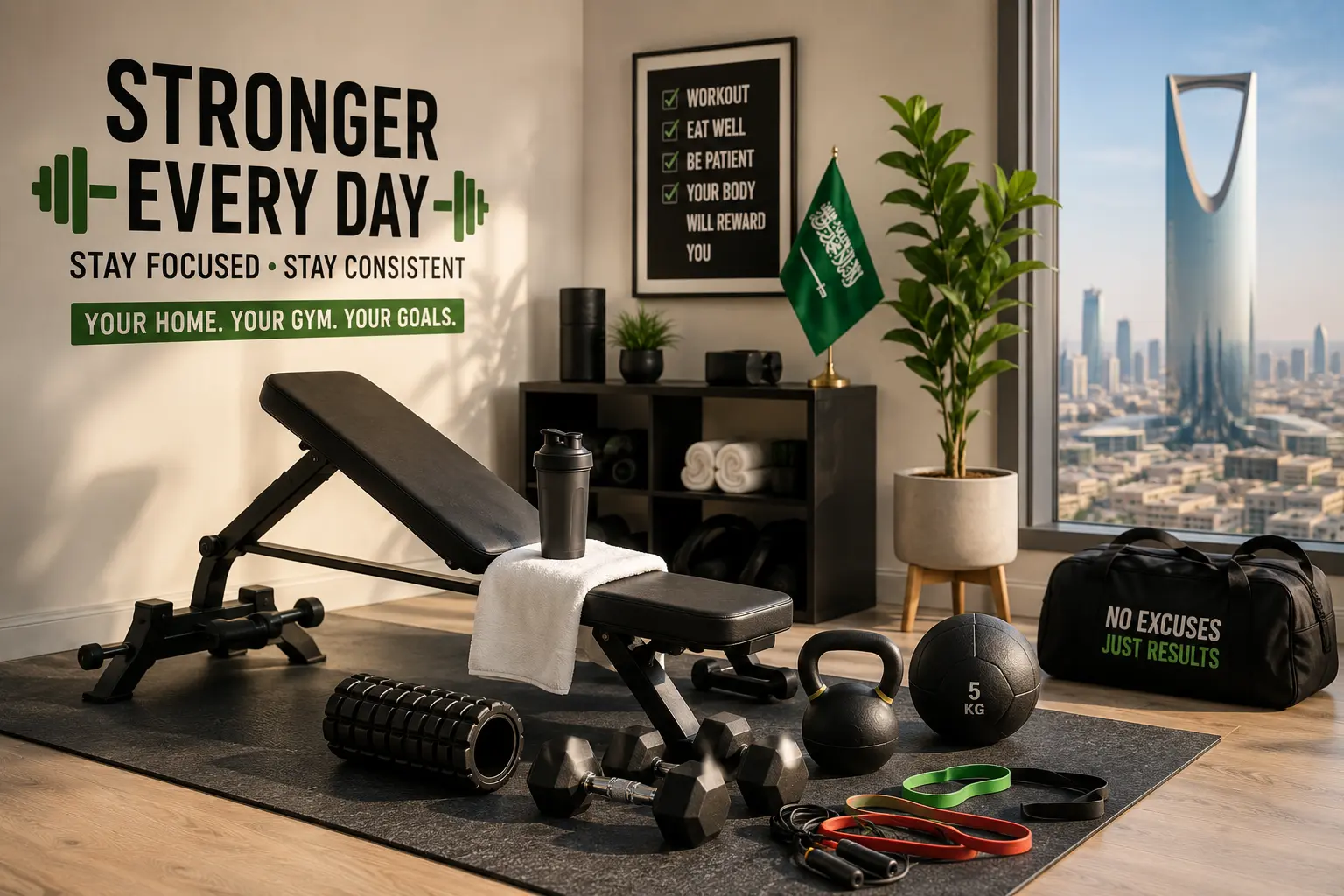
A home workout can be anything that involves any kind of fitness routine that is done without a gym, with the use of body weight, resistance equipment or small gym equipment. Strength training, mobility training, as well as cardiovascular exercises such as jump rope or boxing training.
Home workouts focus on exercises and tools that can be done in limited space, as opposed to gym workouts relying on machines. This allows them to be used in apartments or villas, or in any area where no gym room is available.
How to Build an Effective Home Workout Routine?
Here’s a functional framework that can be followed by most levels of fitness.
Work out 3-5 times per week: This range will provide you with real strength and fitness with sufficient recovery time between sessions.
Combine strength training with cardio: Resistance days (push-ups, resistance bands, squats) alternate with cardio days (jump rope, boxing style, fast paced circuits).
Do not have long sessions: keep them short and to the point. A 20-40 minute session is better than an hour of unstructured time, particularly for consistency.
Use progressive overload: Progress in either reps, resistance, or difficulty every 1-2 weeks, allowing your body to adapt.
Warm up and cool down: Light activity before and after each session decreases risk of injury and enhances recovery.
Track what you do: Keeping a record of sets, reps or type of exercise will help you track your progress and hold you accountable over time.
Why Choose Home Workouts in Saudi Arabia?
Convenience & Time-Saving: A home workout fits around your schedule instead of the other way around. This involves no traffic, no waiting for equipment, and no fixed class times — train when the day allows.
Weather-Proof Fitness: The temperatures reach 40C regularly in the Saudi summers, and running, walking or sports out of doors are not only uncomfortable, but are dangerous. By training indoors in an air-conditioned environment, you can continue to train throughout the year, regardless of whether it is a hot summer or a cold winter.
Cost-Effective: Monthly gym fees can really add up, and sometimes are more expensive in a year than individual good fitness equipment. In a few months the purchase of a mat, resistance tool or grip trainer will have paid for itself against the cost of continued membership.
Best Bodyweight Exercises for Beginners:
They are the four exercises that are the basis of nearly all of the most effective home workouts. Prioritize form over speed or reps – if you move well, you are strong and won’t sustain an injury.
1. Bodyweight Squats
Target: To lower the body and legs. Target area: Lower body and legs. Place feet shoulder width apart and bend knees and body as if sitting back into a chair with chest up and knees tracking over toes. Stand up with your heels.
Common problems: knees collapsing inwards, standing up onto the toes, or failing to lower down, thus not working the glutes and thighs. It’s okay to hold on to a sturdy chair or countertop for support if that is necessary, until you gain confidence.
2. Push-ups (or Modified Push-ups)
Target: This exercise can help you strengthen your chest, shoulders, and core. Keep your hands wider than shoulder-width apart on the ground, hips, knees, and shoulders in a plumb line and lower your chest to the ground then press back up. If this is too hard for you, you can start by keeping your knees on the floor while performing the push-up.
Common problems: Sagging or piking the hips, taking the load off the chest and shoulders and putting it in the lower back. You should not flare the elbows out too far, and should keep them at about a 45 degree angle from your body, otherwise it will strain the shoulder joint.
3. Plank Hold
Target: Frontal plane flexibility, stability and posture, Keep body in a straight line from shoulders to ankles, on forearms and toes, and engage core as if you were getting punched in the stomach. Maintain in the position without rising or dropping the hips.
Common problems: Sagging hips is the most frequent error, and it can cause extra strain on the lower back. Another – holding the breath – during the hold continue to breathe without tensioning up and holding your breath.
4. Glute Bridges
Target: Glutes and lower back, With legs bent and feet flat on the floor hip-width apart, lie on your back. Lying on your back with the knees bent and feet hip-width apart, lie flat on your back. Push hips through heels to raise hips towards ceiling, squeeze glutes at top, lower hips down slowly.
Common problems: Overarching lower back at the beginning position rather than driving lift through glutes. The slower the lowering phase, the more the muscle is engaged, and the less effective the exercise will be if performed quickly.
Sample Weekly Structure:
3 days a week (e.g., Monday, Wednesday, Friday): 2–3 rounds of all four exercises, 8–15 reps each (20–40 second holds for planks), resting 45–90 seconds between moves
2 days a week: light cardio such as brisk walking indoors, jump rope, or a boxing-style workout
1–2 rest days: light stretching or complete rest
Hydration & Recovery
Perhaps most importantly, one needs to get plenty of water during a home workout in Saudi Arabia, as even when working out inside an air conditioned room, there is a significant loss of water through sweat. Water should be consumed regularly – even before and after exercise.
It is normal for beginners to experience muscle soreness for the first 24–48 hours after a new exercise, and is called DOMS (Delayed Onset Muscle Soreness). Generally, it subsides after a few days as your body adjusts, and gentle activity and stretching may be more beneficial than rest.
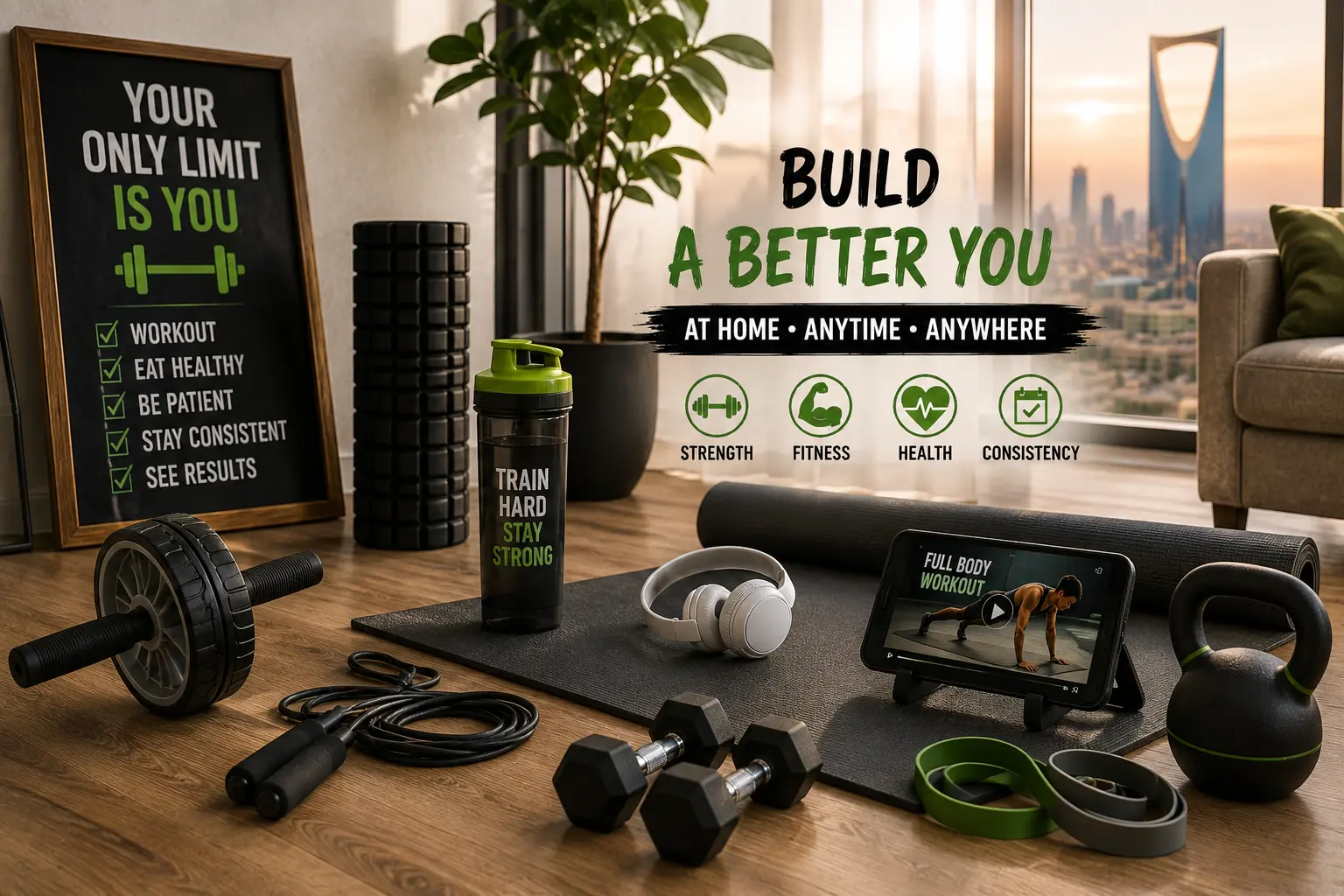
Top 5 Home Workout Products Every KSA Resident Needs for Faster Results
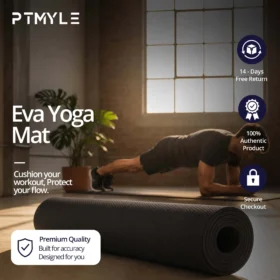
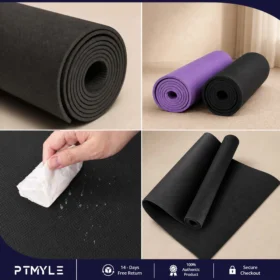
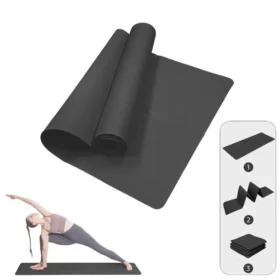
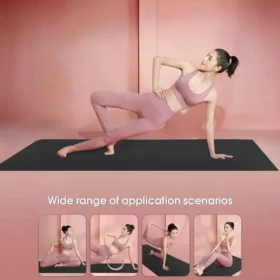
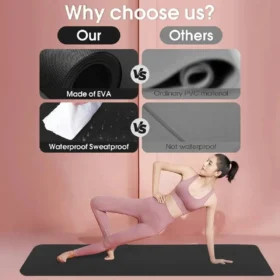
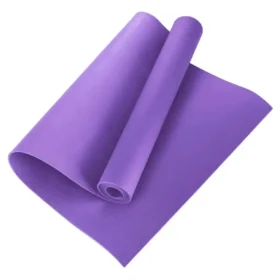
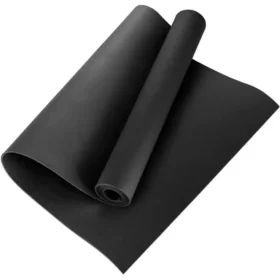
1. EVA Yoga Mat for Home Workouts
Hard tile floor exercises are uncomfortable and tend to make people cut short their exercise time before it’s complete. A sore back or knees means you don’t do planks or stretches at all, and you don’t get any results for that. The 4mm EVA yoga mat will provide you with a stable and comfortable mat to do yoga stretches, core yoga and full yoga stretches. Say goodbye to the final obstacle and hello to a full-body workout, by incorporating one into your routine!
2. Music Boxing Machine – Smart Home Trainer
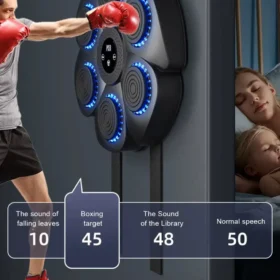
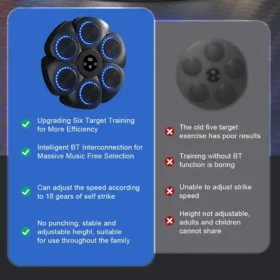
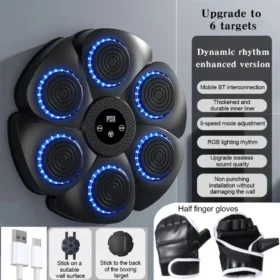
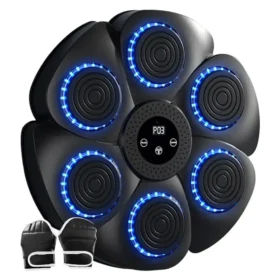
Home cardio routines tend to become tedious quickly, and boring exercise is one of the main reasons people cease exercising. After two or three weeks, running in place or same jumping jacks is boring. A smart boxing trainer, this wall mounted device syncs cardio to the music via bluetooth and has 9 training modes to truly make your workout fun and reaction-based. One, and then take one, and make those cardio days something that you look forward to.
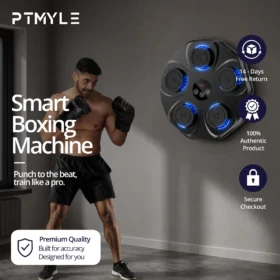


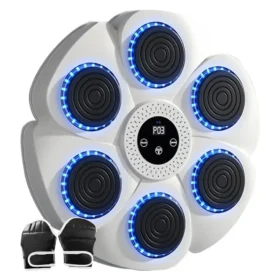
Music Boxing Machine – Wall Mounted Boxing Machine
0
432.17 SAR
Select options
This product has multiple variants. The options may be chosen on the product page
3. Gym Gloves with Wrist Support
Your hands and wrists actually take a lot of wear and tear during body weight/resistance training sessions, particularly if they last a long time. Workouts are often shortened due to a sore wrist or hands. These gym gloves feature palm padding and adjustable wrist support, ensuring you can keep a secure grip during push-ups, planks, and resistance training. The first pair to pick up and start training without holding hands.
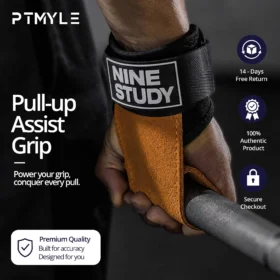

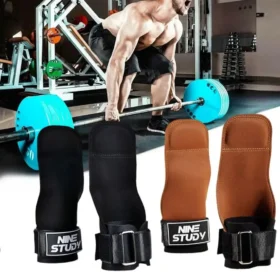

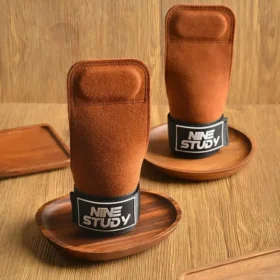
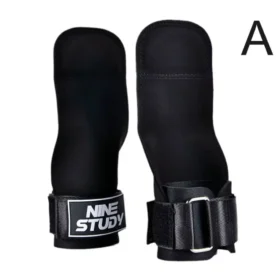
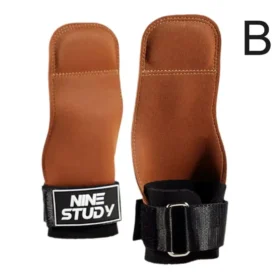
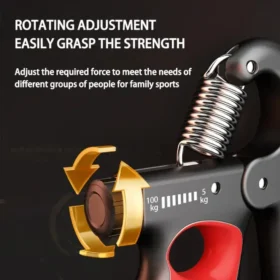
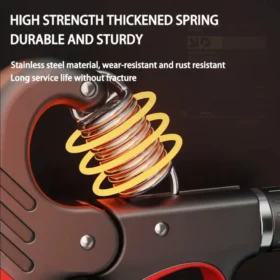
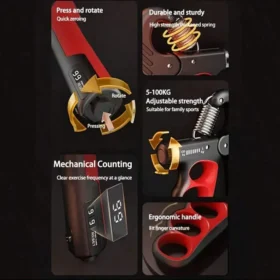
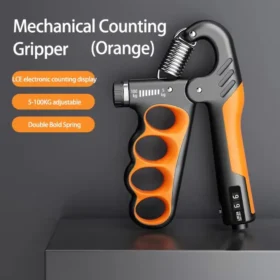
4. Hand Grip Strengthener (5–150kg Adjustable)
Even though grip strength is crucial for doing push ups, planks and resistance training, they often overlook it in home exercises. Low grip strength can subtly affect your ability to benefit from all the other exercises. Grip and forearm trainer that adjusts resistance level as you get stronger, giving you the opportunity to increase strength in short sessions. Incorporate this into your workout and establish a solid base for all other exercises.
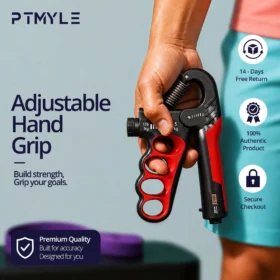

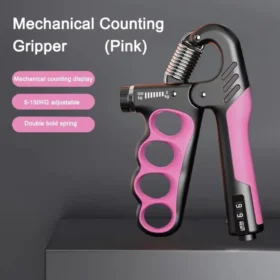

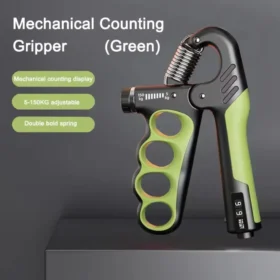
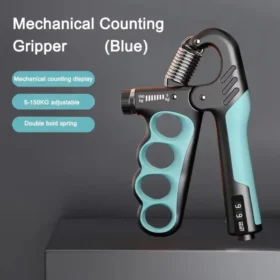
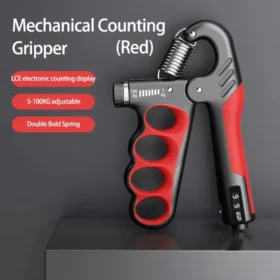
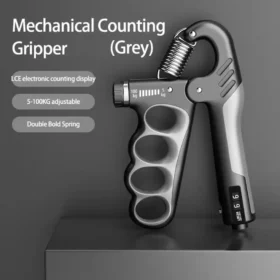
Hand Grip Strengthener – Tool for hand exercise
0
78.00 SAR
Select options
This product has multiple variants. The options may be chosen on the product page
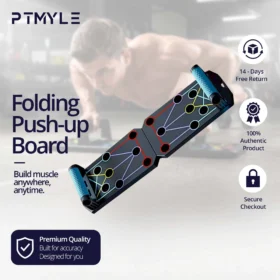
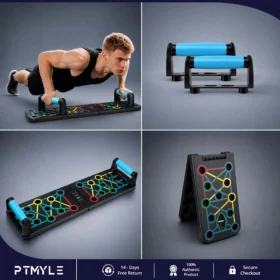
5. Foldable Push-Up Board for Home Gym
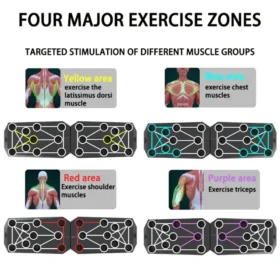
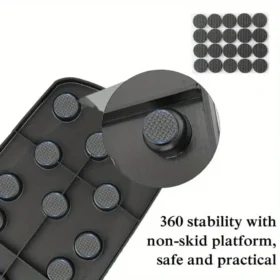
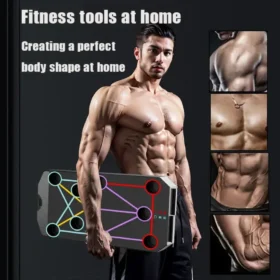
Push-ups work only specific muscles and performing the same exercise every day makes it repetitive and less effective. One of the most frequent causes of home training getting tedious. This foldable pushup board is both color-coded and foldable, and it features numerous positions on the handles to target different muscle groups from the same single pushup board. Get one and continue to mix it up to get results with your pushups.

Building a Home Gym on a Budget
A functional home gym doesn’t require a large upfront investment. A few principles keep spending efficient without sacrificing results:
Start with one item per category, not several at once. A single yoga mat and one resistance tool cover most beginner needs — additional equipment is easier to justify once you know which type of training you’ll actually stick with.
Prioritize multi-use gym tools. Equipment that supports several different exercises (a resistance band or Pilates ring, for example) delivers more value per riyal than single-purpose gadgets.
Buy durability over aesthetics. A plain, well-made mat or grip trainer that lasts years outperforms a visually appealing item that wears out within months of regular use.
Treat expensive equipment as a second-stage purchase. Items like a smart boxing trainer are worth adding once basic bodyweight and resistance training are already a consistent habit — buying the most expensive gym equipment first, before the habit is established, is a common reason equipment ends up unused.
Home Gym Setups by Living Space
Apartments: typically call for compact, foldable home gym equipment — a push-up board, resistance bands, and a mat that rolls up for storage make the most sense when floor space is limited and equipment needs to disappear between sessions.
Villas with more available space: can reasonably accommodate larger or wall-mounted equipment, such as a music boxing machine or a dedicated corner with multiple tools set up permanently, since storage and setup time matter less.
Shared living spaces: (with family members or roommates) benefit from quieter equipment and shorter, more flexible session lengths, since fixed class-style routines are harder to maintain when the space serves multiple purposes throughout the day.
Matching equipment choices to your actual living situation, rather than buying based on what a gym would have, is often the difference between a home gym that gets used daily and one that becomes storage for unused equipment within a few months.
Home Workout for Beginners vs. Experienced Trainees
Beginners: get the most value from mastering the four core bodyweight exercises with good form before adding equipment. A mat and perhaps one resistance tool cover nearly everything needed in the first few months — the goal early on is building the habit, not acquiring gym equipment.
Experienced home gym users: tend to shift toward variety and progressive resistance — grip trainers, adjustable resistance bands, and engagement-focused cardio equipment become more valuable once basic bodyweight training stops providing a meaningful challenge on its own. Experienced trainees are also more likely to combine multiple pieces of equipment within a single session, rather than relying on one tool at a time.
Being honest about which stage you’re at prevents a common mistake: buying advanced gym tools before the underlying habit and form are solid enough to use them safely and effectively.
Home Gym Safety Considerations
A few habits reduce injury risk regardless of experience level:
Prioritize form over speed or added resistance. Rushing through reps or adding resistance before form is solid is one of the most common causes of avoidable injury in home training.
Give equipment enough space to use safely. Resistance bands especially need clear space to extend fully without snapping back into furniture, walls, or other people in the room.
Don’t skip warm-ups even for short sessions. Jumping straight into resistance work or a boxing-style cardio session without a brief warm-up raises injury risk more than the few minutes it takes to prepare properly.
Listen to pain, not just soreness. General muscle fatigue or soreness (DOMS) is normal; sharp, localized, or joint-specific pain is not, and is a signal to stop and reassess rather than push through.
Maintaining Home Gym Equipment
Wipe down mats and gloves after sweaty sessions. Buildup left on a mat or inside gloves creates odor and can degrade material faster than regular light cleaning would.
Store resistance bands away from direct sunlight. UV exposure and heat degrade rubber and latex resistance bands faster than normal use does, which matters particularly in a hot climate.
Check grip strengtheners and adjustable equipment periodically. Springs and resistance mechanisms on adjustable gym tools can loosen slightly with heavy use — a quick check every few weeks catches this before it affects a workout.
Fully charge battery-powered equipment before long breaks. Smart trainers or Bluetooth-connected gym equipment left partially charged for extended periods can lose battery capacity faster than equipment stored at a fuller charge.
Common Home Workout Mistakes
Skipping warm-ups. Jumping straight into intense movement raises injury risk and reduces performance early in a session.
Repeating the same routine daily. Leads to plateaus and boredom — rotating strength, cardio, and mobility work keeps both body and motivation engaged.
Ignoring form. Rushing through reps reduces effectiveness and raises injury risk; slower, controlled movement usually beats speed.
Training with no plan. Random exercises with no structure make it hard to track progress or stay consistent.
Underestimating recovery. Training every day without rest can lead to fatigue and slower progress, since muscles need downtime to actually get stronger.
Buying equipment before building the habit. Investing heavily in home gym equipment before establishing a consistent routine often results in unused gear rather than better results.
Conclusion
A home gym doesn’t need to be large, expensive, or complicated to be effective — a few well-chosen pieces of home gym equipment, combined with consistent bodyweight training, can produce real results given the climate and schedules most people are working around in Saudi Arabia. Start with the fundamentals, build the habit before expanding your equipment, and add gym tools as your routine actually grows to need them. For budget-friendly home gym equipment, browse PTMYLE’s Fitness category.
FAQs
Q: What is the most effective home workout?
Ans: A combination of bodyweight strength exercises — push-ups, squats, planks — with resistance tools like bands or a grip strengthener tends to work best, since it builds strength and endurance together.
Q: How many days a week should I exercise at home?
Ans: Most people see solid results training 3–5 days a week, with at least one or two rest days built in for recovery.
Q: What home gym equipment should beginners start with?
Ans: A yoga mat, a resistance band or grip strengthener, and a pair of gym gloves cover most beginner needs without requiring much space or budget.
Q: Can I build muscle with home gym equipment alone?
Ans: Yes. Bodyweight and resistance-based training can build meaningful muscle and strength, especially when you apply progressive overload consistently over time.
Q: Is expensive gym equipment necessary for real results?
Ans: No. Consistency and proper form drive results far more than equipment cost — basic, well-chosen gym tools support a routine just as effectively as expensive machines for most home training goals.