- Your cart is empty
- Continue Shopping
How to Lose Weight Fast: Proven Weight Loss Tips for Saudi Arabia
- Posted on
- PTMYLE · 10 min read
- Categories: Fitness

Table of Contents
How to Lose Weight Fast: Proven Weight Loss Tips
There are certain challenges that losing weight in Saudi Arabia presents, and these are not found in other dietary plans. Summer heat prevents outdoor working for months on end, traditional feasts and late night socializing are not conducive to portion control, and the lack of opportunities to move while stuck in air-conditioned offices or in the car during traffic jams are a problem. The rapid and safe weight loss is not something that can be achieved by crash dieting, but rather, is a realistic plan that can be followed in this life.
The quickest safe method to shed pounds in KSA is by balancing calories, adopting active but home-friendly movements, improving hydration and sleep and including a few home exercise gadgets that help you maintain consistency. It offers 7 tips you know you can do, but you don’t need to give up any favorite foods for, from managing local diets, to using simple daily habits that produce real results over weeks, not overnight promises.
What Is Weight Loss, Really?
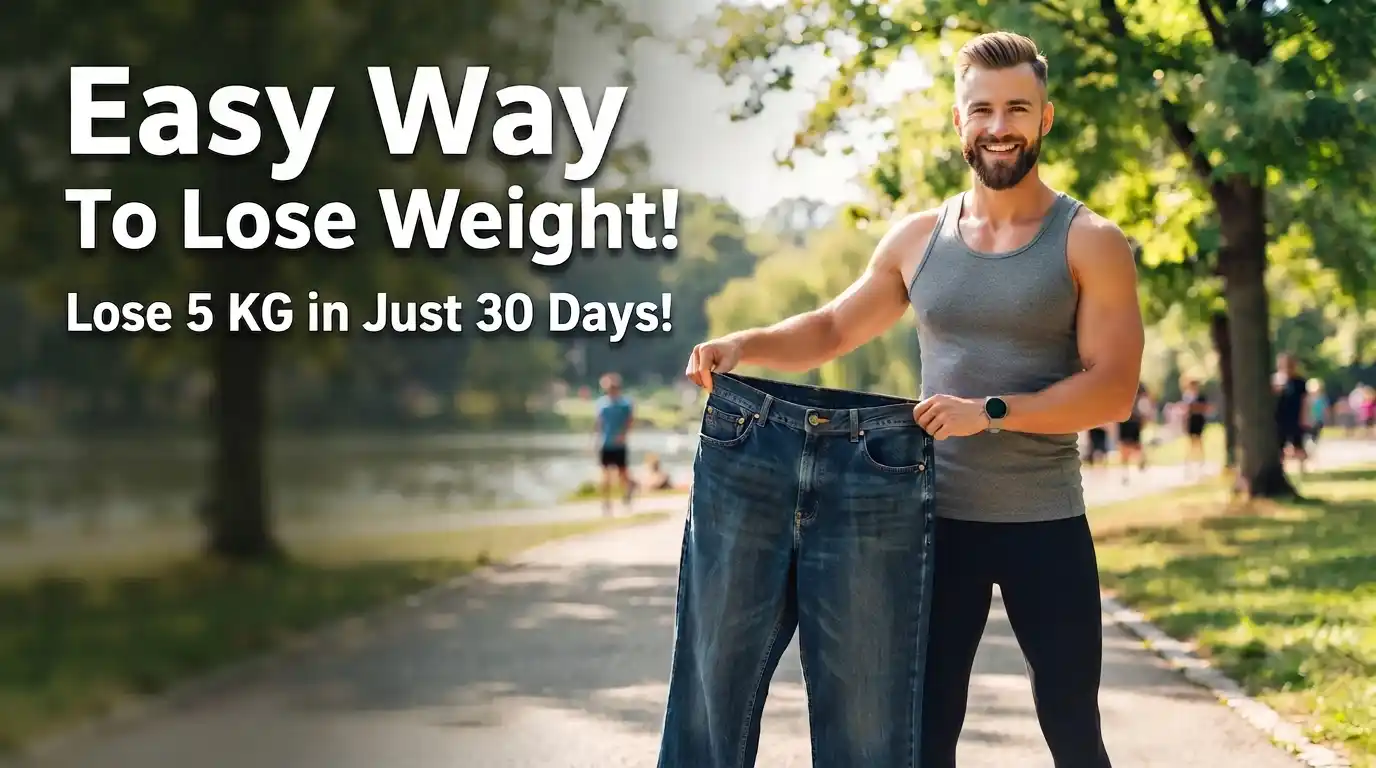
A calorie deficit is when your body burns more calories than it takes in, and this is what causes weight loss. It may be due to a reduction in calories, an increase in physical activity, or even a combination of the two.
Losing weight healthily is not about starving, or eliminating entire food groups. It’s all about getting the right balance of calories in versus calories out, and keeping your body in that balance over the long haul.
How to Lose Weight Fast — Safely?
This is a simple and easy-to-follow plan for the steps you need to take to increase your weight loss efforts without going on an extreme diet.
Avoid drastic calorie reductions: Extreme calorie reductions can backfire by causing a drop in metabolism and a rise in appetite.
Focus on protein and fiber: Foods high in protein, such as chicken, fish, eggs and legumes, will help keep you full longer and will help maintain muscle mass while you are fat.
Exercise on any day: not just on exercise days: Walking, stretching or a quick workout at home every day is more effective than one major workout at the gym per week.
Incorporate 2-3 strength/cardio sessions per week: Don’t forget, strength training and cardio are both effective at burning fat and will be even more effective if performed together.
Consistent sleep and water intake: Not getting enough sleep and water throughout the day can negatively impact weight loss.
Note progress weekly (not daily): The weight will change daily, and weekly check-ins provide a better indicator of actual progress.
Why Weight Loss Is Uniquely Challenging in KSA
1. Weather Constraints: It is not just uncomfortable to run or walk outdoors in the summer; it can be dangerous as well, with temperatures regularly reaching over 40°C. This changes the entire focus to indoor habits and home-based exercise rather than outdoor cardio.
2. Social & Cultural Food Habits: Favored dishes such as Kasbah and Maddi are served lavishly, and late evening family entertainment can extend dining hours beyond the typical dinner time. Sweets, such as karak tea and juice, also play a significant role in social life, and they are not considered as “extra” food, since they contain a high amount of sugar.
3. Sedentary Routines: Many spend long hours at the desk and drive rather than walk to most errands, resulting in people moving much less than they think in a day. Of course, the daily walking is not for exercise, but it has a greater effect on weight loss than most people realize.
7 Proven Weight Loss Tips for Saudi Arabia:
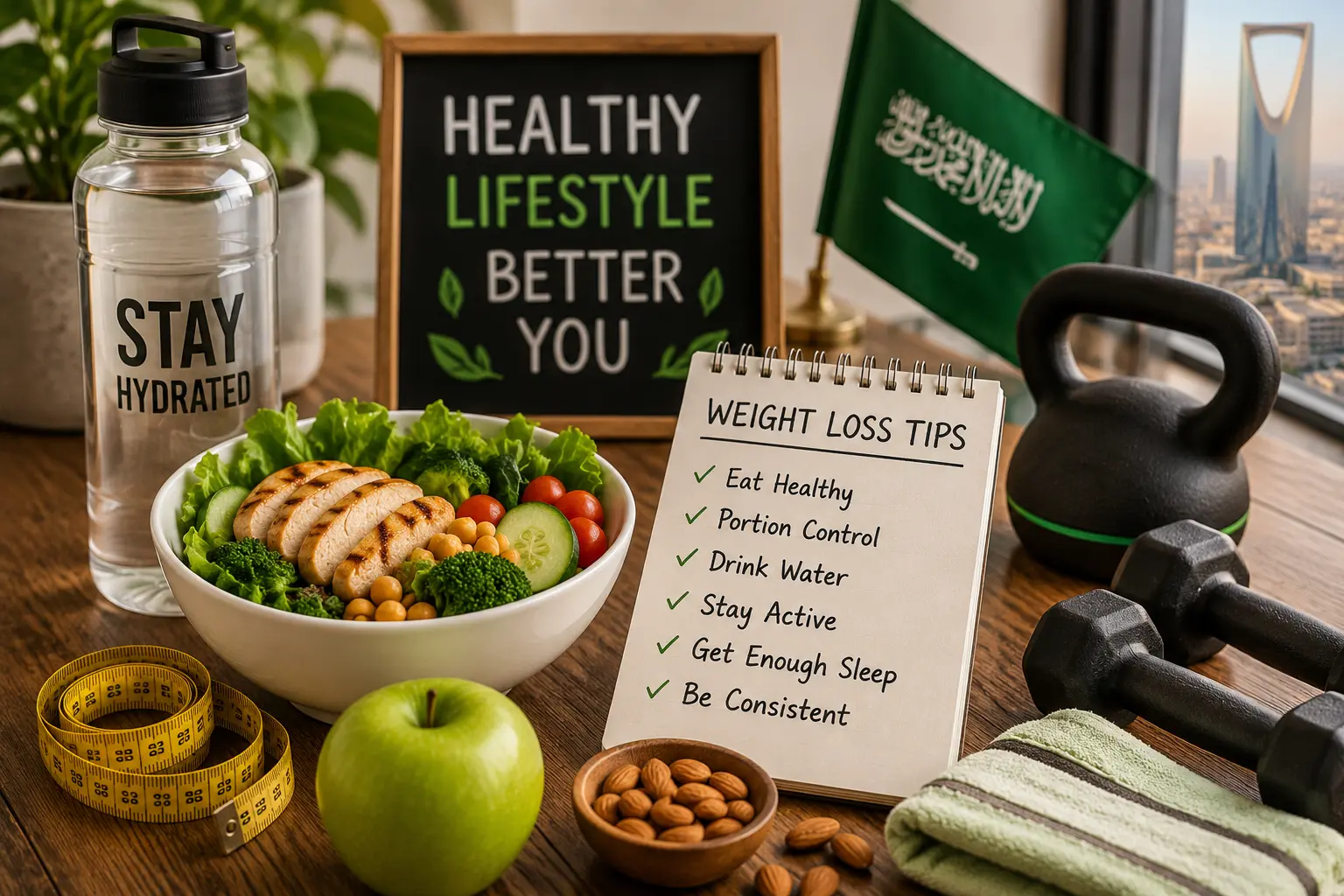
Tip 1: Prioritize Protein-Rich Local Diets: Traditional options include both grilled chicken, fish, and lentils (adas), which are naturally high in protein and filling. Eating protein-based foods is more filling and will help maintain muscle during weight loss, which is why eating more protein makes a big difference in building meals around protein, not rice or bread. The easiest change is not to eliminate local foods altogether, but rather to be aware of the presence of hidden sugars in drinks and sauces that add calories but not volume.
Tip 2: Master Calorie Deficit Without Starvation : A calorie deficit is actually when you consume a bit fewer calories than you use, but that doesn’t imply that you have to cut out all of your favorite meals. The “half plate rule” is a simple guideline to avoid counting — first fill half the plate with vegetables or salad, and then list half the plate with protein and rice/bread. This helps to lower food intake when eating high-calorie foods, without sacrificing the enjoyment of eating.
Tip 3: Beat the Heat with Indoor Cardio: When outdoor temperatures make walking or running unsafe, indoor alternatives can deliver the same calorie burn without the heat risk. Options like jump rope, stair climbing indoors, bodyweight circuits, or a boxing-style workout at home all raise heart rate effectively in an air-conditioned space. Consistency matters more than intensity — 20–30 minutes of indoor cardio most days adds up faster than one intense outdoor session a week.
Tip 4: Hydration Hacks for the Desert Climate: It’s easy to mistake thirst for hunger, particularly when its a hot and dry climate. The idea is to drink a glass of water and then wait 10-15 minutes to see if you are still hungry. Electrolytes are important here more than in cooler climates, too, because while you may not notice you’re thirsty, you could be all the same, and the lemon-water-and-salt trick is low-sugar, easy-to-make and effective at replenishing lost electrolytes.
Tip 5: Improve Sleep & Recovery: When a person doesn’t sleep well, cortisol, a stress hormone that increases appetite and increases fat storage, particularly in the belly area, goes up. In Saudi social culture, late nights are common and even if one or two nights per week was a 30-60 minute earlier bedtime, there would be noticeable differences in energy and appetite control. One of the biggest levers that people have that they don’t use when it comes to their weight loss is to treat sleep as part of the weight loss plan, rather than a separate one.
Tip 6: Implement Non-Exercise Activity Thermogenesis (NEAT): NEAT is the calories expended by walking around the office, standing for phone calls, pacing, taking the stairs, etc., all activities that don’t constitute a structured workout. NEAT can contribute significantly to calorie expenditure, even for those who spend a lot of time at their desks. For instance, if you drive to work farther from the entrance or walk up and down the stairs instead of the elevator, or stand while talking on the phone, these little adjustments can accumulate over a whole week.
Tip 7: Track Progress Smartly: Real gains and changes typically can’t just be measured by the scale as water retention, sodium consumption and muscle growth may all cause the scale to move daily without any change in fat. Calculating body measurements (waist, hips) or how the clothes fit, reveals the fat loss trend much more accurately than the weight loss numbers from a scale from day to day. The best trend over time is to check weekly, hours of the day, day of the week under the same conditions.
Top 5 Fitness Equipment for Weight Loss at Home
1. Weighted Hula Hoop for Weight Loss & Toning
In most cases, it is not possible to devote a full gym session to exercise every day. Motivation quickly wanes in the first few weeks if there is no easy, no-fuss method of getting moving. The hula hoop is a smart weighted hula hoop that can help you to burn calories and tone up your waist in just 10-15 minutes at home. Make it a habit and replace the “no time to exercise” with “15 minutes of exercising every day.



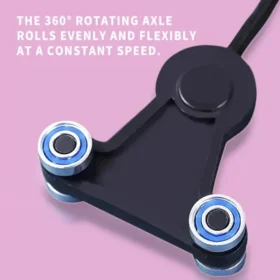
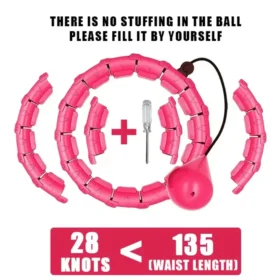
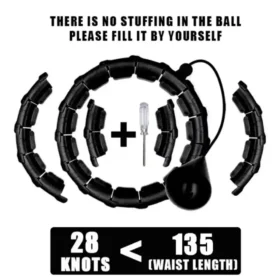
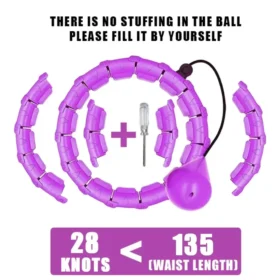
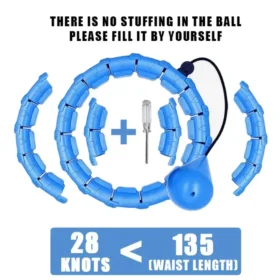
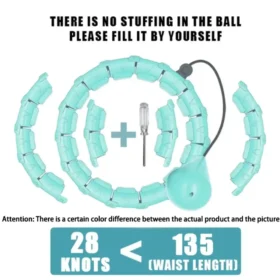
Weighted Hula Hoop – 138cm Adjustable Fitness Hoop
0
119.76 SAR
Select options
This product has multiple variants. The options may be chosen on the product page
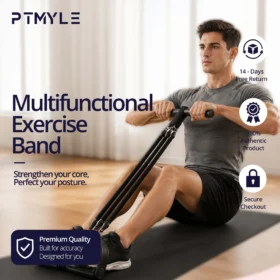
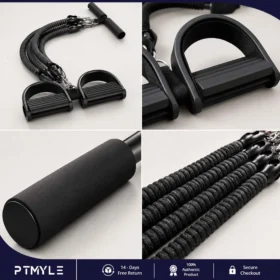
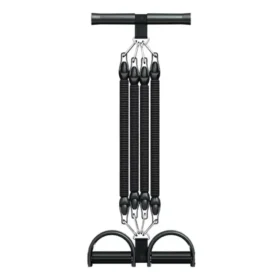
2. Foot Pedal Resistance Band Set
Strength doesn’t come easily without resistance, and body weight training alone is ineffective. People tend to abandon home exercises due to the ease they feel. This foot pedal resistance band system provides actual resistance with abs, arm and shoulder workouts, without having to buy any gym equipment. Immediately get a set and begin to see real, tangible progress quickly in your home workout.
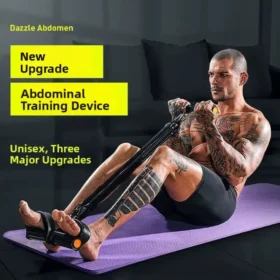
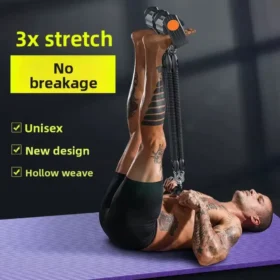
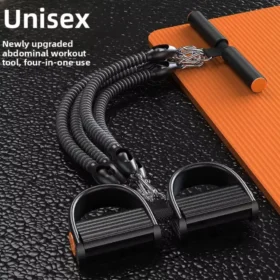
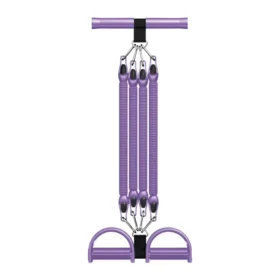
3. EVA Yoga Mat for Home Workouts
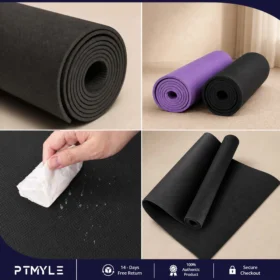
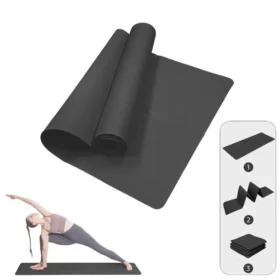
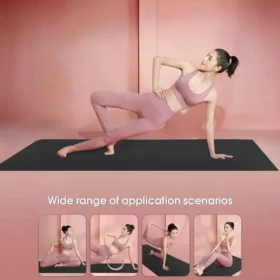
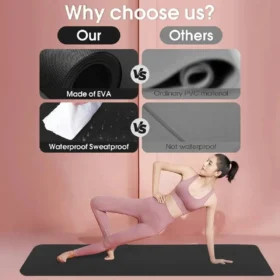
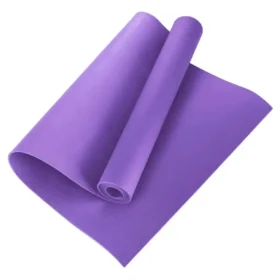
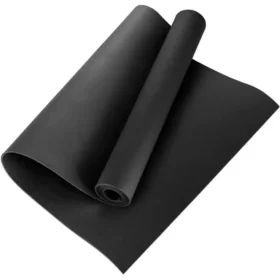
Exercising on a hard floor is not a great experience and isn’t a factor that people think about enough to prevent consistency. A common setback is missing workouts due to back and/or knee pain. This 4mm non-slip EVA yoga mat provides a comfortable, stable base for stretching, core training and an entire workout from the comfort of home. Grab one and eliminate the final excuse from your way to a consistent routine.

4. Pilates Ring for Full-Body Toning
It can be challenging to tone a particular area such as thighs, arms or the core without using the right exercise apparatus, and using a generic workout can leave you with a lack of toning in these areas. This mini fitness ring provides resistance to squeezing and pressing actions, focusing on inner thighs, arms and chest for short, intense workouts. Include one in your workout and eventually achieve the toning results that body weight exercises can’t deliver.


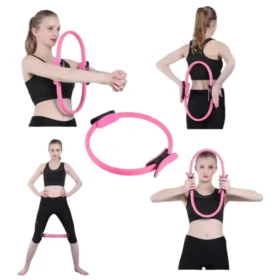

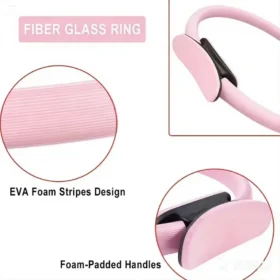
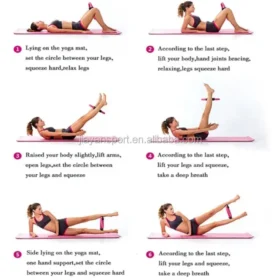
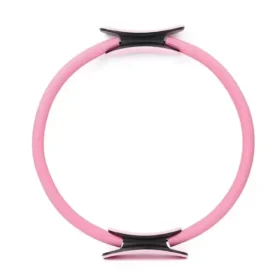
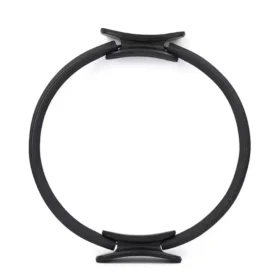
Pilates Ring – 38cm Full-Body Fitness Circle
0
83.12 SAR
Select options
This product has multiple variants. The options may be chosen on the product page
5. Foldable Push-Up Board for Home Gym
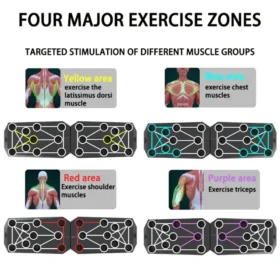
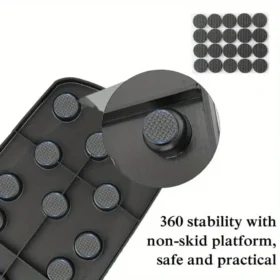
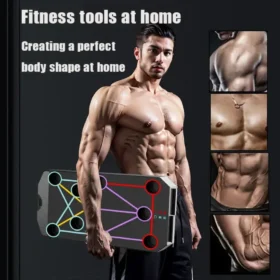
The push up workout only exercises a limited number of muscles and performing the same push up workout every day is quickly dull. One of the main reasons people give up on their home workout routine within the first month is boredom. The push up board is a foldable, color-coded push up board with a variety of different handle positions to target various muscle groups with one board. Get one and make sure that you keep your home workouts diverse enough to stick with.




Common Weight Loss Mistakes to Avoid
Extreme calorie restriction. This often backfires, leading to intense cravings and binge eating rather than steady progress. A moderate, sustainable deficit outperforms an aggressive crash diet over any meaningful timeframe.
Skipping resistance training entirely. Cardio alone doesn’t preserve muscle mass the way strength training does, and losing muscle alongside fat can slow metabolism over time.
All-or-nothing thinking. Missing one workout or one “clean” meal doesn’t undo progress — the pattern over weeks is what matters, not any single day.
Treating sleep and stress as separate from the plan. Both directly affect cortisol and appetite, and ignoring them undermines even a well-designed diet and exercise routine.
Comparing your timeline to someone else’s. Starting point, genetics, and lifestyle all vary — comparing week two of your own progress to someone else’s month six isn’t a useful measure of anything.
Weight Loss for Beginners vs. Restarting After a Break
The right starting point looks different depending on where you’re coming from.
If you’re starting from scratch, resist the urge to overhaul everything at once — diet, exercise, sleep, and hydration all changing in the same week rarely sticks. Pick one or two changes (often protein-focused meals and a short daily walk) and let those become automatic before adding more. Trying to fix everything simultaneously is one of the most common reasons people abandon a plan within the first two weeks.
If you’re restarting after months away from exercise or a structured diet, expect the first one to two weeks to feel harder than they will later — soreness, low energy, and slower-than-expected progress are normal during this adjustment period, not signs that the approach isn’t working. Scaling back initial intensity (shorter sessions, lighter resistance) and building up gradually tends to produce better long-term adherence than jumping back in at a previous fitness level immediately.
In both cases, the goal for the first month is building the habit reliably, not optimizing it — the fine-tuning matters far less than showing up consistently while the routine is still new.
Staying Consistent When Motivation Drops
Motivation naturally dips after the first few weeks, once the initial novelty wears off — this is normal and predictable, not a sign of failure. A few habits make it easier to keep going through that dip:
Schedule workouts like fixed appointments, not something fit in “if there’s time.” A specific time slot is far more likely to happen than a vague daily intention.
Keep a visible, low-effort log. Even a simple checklist of days trained or meals with a protein focus creates a sense of momentum that pure willpower doesn’t provide.
Plan for social occasions instead of avoiding them. Deciding in advance how to handle a gathering — eating a lighter meal earlier in the day, for example — prevents the all-or-nothing thinking that derails many otherwise consistent weeks.
Revisit non-scale progress markers regularly. Energy levels, how clothes fit, and workout performance often improve before the number on the scale reflects it, and noticing these keeps motivation grounded in something real.
None of this guarantees smooth, uninterrupted progress — occasional off weeks are normal even with a solid plan. What separates lasting results from short-lived attempts is usually just returning to the routine afterward rather than treating one off week as a reason to stop entirely.
When to Talk to a Doctor
General weight loss guidance like this is meant for typical, healthy adults making everyday lifestyle adjustments — it isn’t personalized medical advice. It’s worth checking with a doctor before starting a new diet or exercise routine if you have an existing medical condition, are taking medication that affects weight or metabolism, are pregnant or breastfeeding, or notice unexplained or rapid weight change that isn’t tied to intentional effort.
Conclusion
Fast weight loss and safe weight loss aren’t in conflict — a moderate calorie deficit, consistent movement, decent sleep, and the right (not necessarily expensive) home equipment can produce real, visible results within a couple of months, even around Saudi Arabia’s heat and social routines. The habits that work are rarely dramatic; they’re the ones repeated consistently over weeks rather than abandoned after a few days. For budget-friendly home fitness equipment to support your routine, browse PTMYLE’s Fitness category.
FAQs
Q: How to lose weight fast, safely?
Ans: A moderate calorie deficit combined with regular movement, adequate protein, and consistent sleep is the most reliable approach — typically producing steady, sustainable results of around 0.5–1 kg per week for most adults.
Q: What is the best diet for weight loss in Saudi Arabia?
Ans: An approach built around lean proteins, vegetables, whole grains, and moderate portions of traditional foods tends to work best, since it doesn’t require eliminating culturally important meals.
Q: Can I lose weight at home without a gym membership?
Ans: Yes. Home equipment like resistance bands, a yoga mat, and a Pilates ring can support real results when used consistently, particularly when combined with basic dietary awareness.
Q: Is cheap fitness equipment good enough for real results?
Ans: Yes — consistency and effort drive results far more than equipment price. Budget-friendly gear like resistance bands and mats genuinely supports effective home workouts.
Q: How much water should I drink to support weight loss?
Ans: Consistent water intake throughout the day supports metabolism and helps manage hunger cues, which matters even more during Saudi Arabia’s hot summer months.